Heat Detection: Catch More Heats, Get More Cows in Calf
Missing heats costs time, money, and months of progress. Whether you’re running a compact spring-calving suckler herd or managing a busy dairy yard, the goal is the same: spot heats accurately, serve at the right time, and keep cows moving forward.
This guide focuses on practical, low-hassle heat detection that works in real Irish conditions, plus a few simple tools that make the job easier.
Why Heat Detection Is Still the Biggest Fertility “Lever”
Even with good bulls, good AI, and good nutrition, fertility performance often comes down to two things:
- Are cows cycling? Post-calving recovery, body condition, minerals, and health all play a role.
- Are heats being picked up and acted on? Observation, timing, and records matter.
If heats are missed or served at the wrong time, conception rates suffer and calving intervals drift.
Heat Detection Basics
A cow in standing heat will typically:
- Stand to be mounted — the clearest sign
- Mount other cows
- Have rubbed tail heads or dirty flanks
- Show clear mucus
- Be restless, bellowing, or sniffing
- Spend less time eating and lying
The Timing That Matters
A simple rule of thumb many farmers use:
- Serve about 12 hours after first standing heat, or follow your AI technician’s guidance.
If you’re not seeing standing heats consistently, tail paint and mount detector patches can make the job much easier.
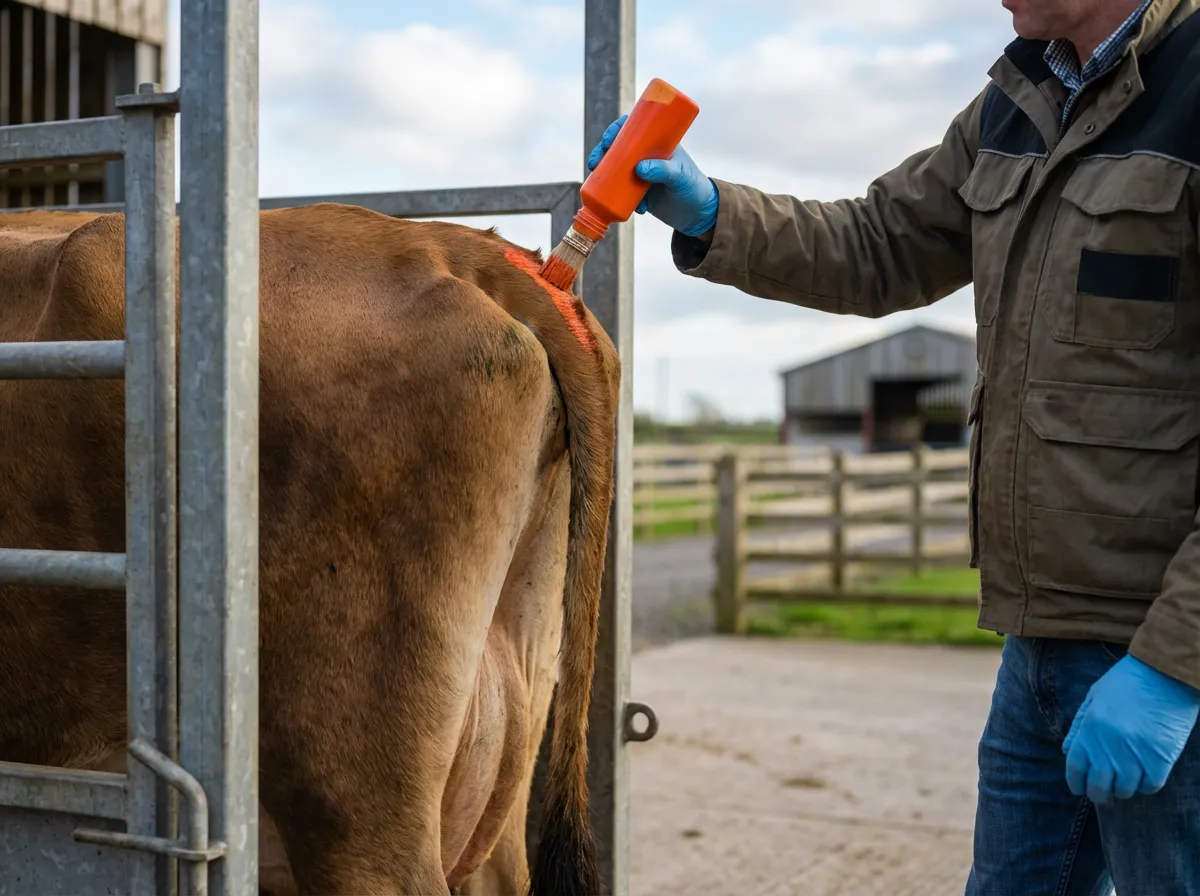
Tail Paint: The Simple System That Saves Time
Tail paint is popular because it’s:
- Quick to apply
- Easy to read at a glance
- A strong visual cue for staff and family helping out
How to Use Tail Paint Properly
- Apply a neat strip on the tail head — not too wide.
- Check it daily, or twice daily during peak breeding.
- Look for paint rubbed off or smeared as a sign of mounting activity.
- Reapply as needed.
Products to Consider
- Flexmark Tail Paint — paint
- Flexmark Tail Paint Aerosol — spray
- Tell Tail Tail Paint — paint
- Tell Tail Tail Paint Aerosol — spray
For the fastest routine, many herds use paint for the main application and aerosol for quick touch-ups.
Mount Detector Patches: Great When Labour Is Tight
If you have limited time for observation, or cows aren’t showing strong heats, mount detector patches can help.
Heat Seekers Mount Detector Patches
These patches change appearance when the cow is mounted, giving a clear yes/no signal.
Dairy vs Suckler: What Changes in Practice?
The tools are the same, but the management focus can differ.
Dairy Herds
- More cows cycling at once means more pressure on labour.
- Missed heats add up quickly.
- A simple system, such as tail paint plus patches on problem cows, can reduce guessing.
Suckler Herds
Heat detection is important, but fertility is often won or lost before breeding starts.
- Post-calving recovery matters: cows need time and energy to cycle again.
- Body condition score (BCS) is key: cows that are too thin or too fat may be slower to cycle.
- Mineral status can influence performance, so work with your vet or advisor.
If you’re seeing quiet heats or long gaps post-calving, it’s worth looking at nutrition, BCS, and health alongside heat detection.
A Simple Routine That Works
- Pick a system: tail paint for all cows, plus patches for repeats or quiet cows.
- Apply consistently: use the same place and the same amount each time.
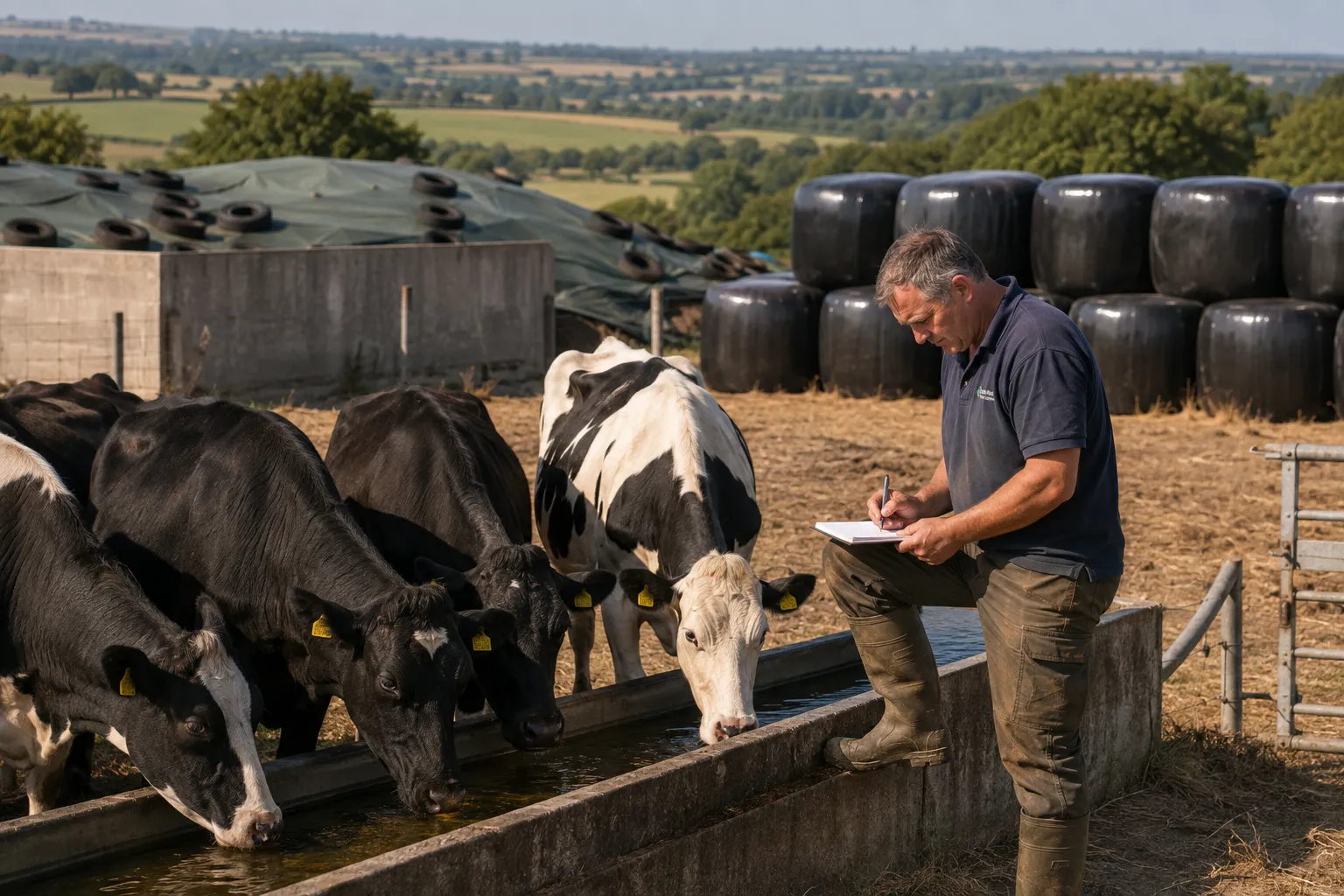
- Check at set times: make it part of the daily routine.
- Record heats and services: even a notebook beats relying on memory.
- Review outcomes: look at repeats, empty cows, and late calvers.
Common Mistakes and Quick Fixes
- Paint applied too low or too wide: apply a neat strip on the tail head.
- Not checking often enough: set a daily routine and stick to it.
- Assuming every rubbed tail means heat: confirm with behaviour and timing.
- No records: you can’t improve what you don’t track.
Shop Heat Detection Essentials
For a straightforward setup that improves accuracy without adding hassle, consider:
- Tail paint options, including Flexmark and Tell Tail paint and aerosol products
- Heat Seekers mount detector patches
Browse Heat Seekers here:
Quick Note on Advice
This article is general guidance. Always follow label instructions and work with your vet, AI technician, or advisor for herd-specific fertility decisions.