Cattle breeding season is now well underway across the country and – as always – farmers will be eager to achieve a short, compact insemination period. In an ideal world, the entire herd should be inseminated within a 12-week window to guarantee a smooth calving season and maximise profits from sale and slaughter in 2027. Success in this respect depends on careful heat detection, assiduous attention to animal health and astute genetic planning.
Key Performance Targets
The success or failure of your breeding season can be measured against nationally recognised benchmarks. These include:
· Insemination of 90% of eligible cows within the first 3 weeks of the season.
· 100% of maiden heifers serviced within the first 3 weeks.
· All cows inseminated within 12 weeks of the start of the season (this will ensure that there are no late calvers next spring).
· Achieve an overall empty rate of less than 10% - anything more than this should be considered problematic and, in this case, you should revise your breeding plan.
Pre-Breeding Health & Nutrition
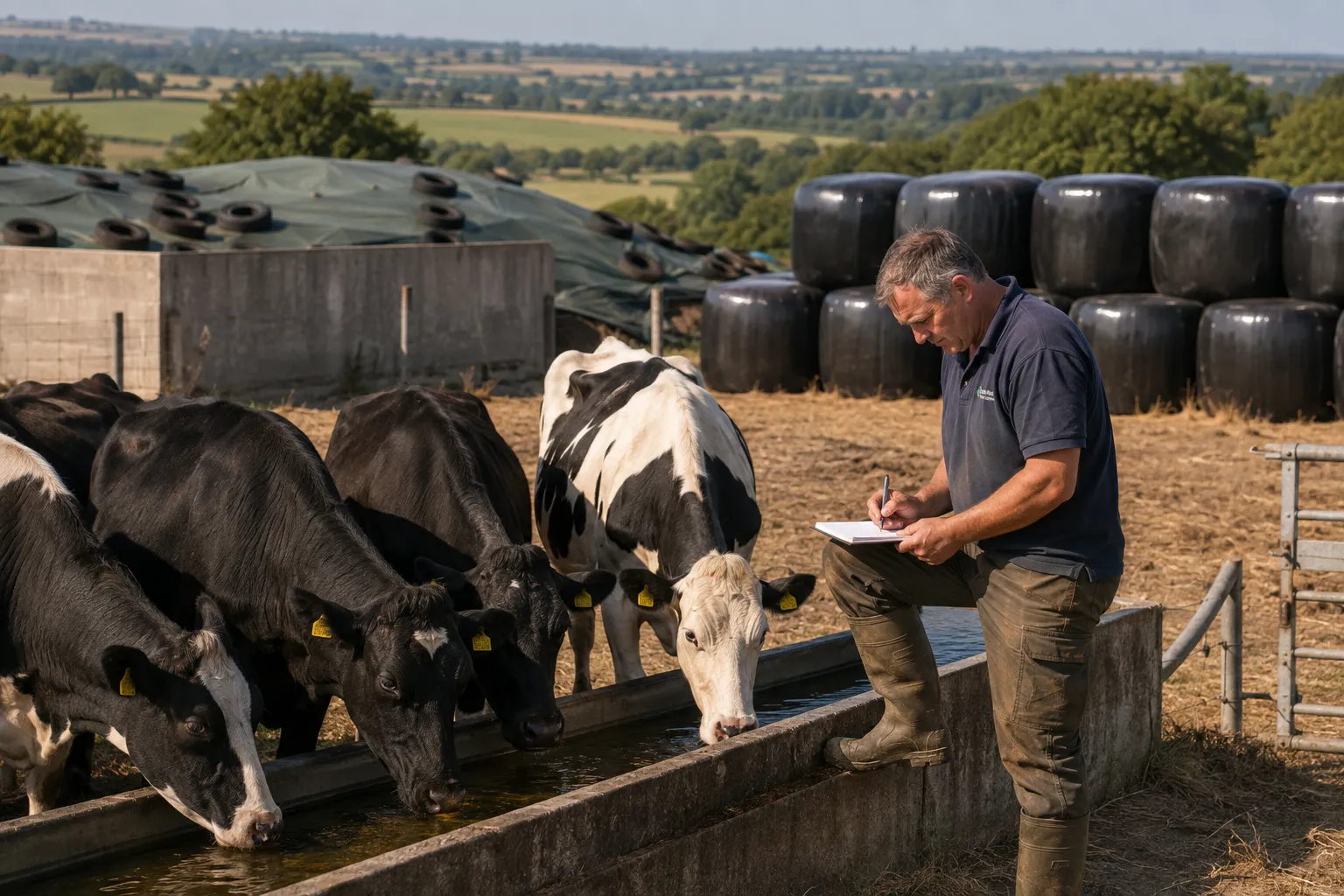
Overall stock health is essential for a successful breeding season. Animals that are too thin or suffering from certain physical conditions are less likely to hold to the bull. Again, there are some simple steps you can take before introducing the bull that will help to safeguard the health and breeding potential of your herd:
- It is crucial that cows are in optimum physical conditions for conception. All breeding cows should have a minimum BCS of 2.5 at breeding time. Animals that are unusually thin should receive extra feed rations. Milking should be reduced to once per day where possible. Similarly, you don’t want cows that are too fat. Those animals with a BCS of 3.5 or higher should have feed reduced very slightly to bring them down to 3.25.
- It is vital that no breeding animal is deficient in key minerals and vitamins. Therefore, you should administer corrective treatments or boluses at least 3 weeks prior to breeding if your herd has a history of iodine, selenium, or copper deficiencies. Personally, I like to use Breeding Cow before introducing the bull, as it is a great boost to overall animal health and increases the likelihood of successful insemination at the first attempt.
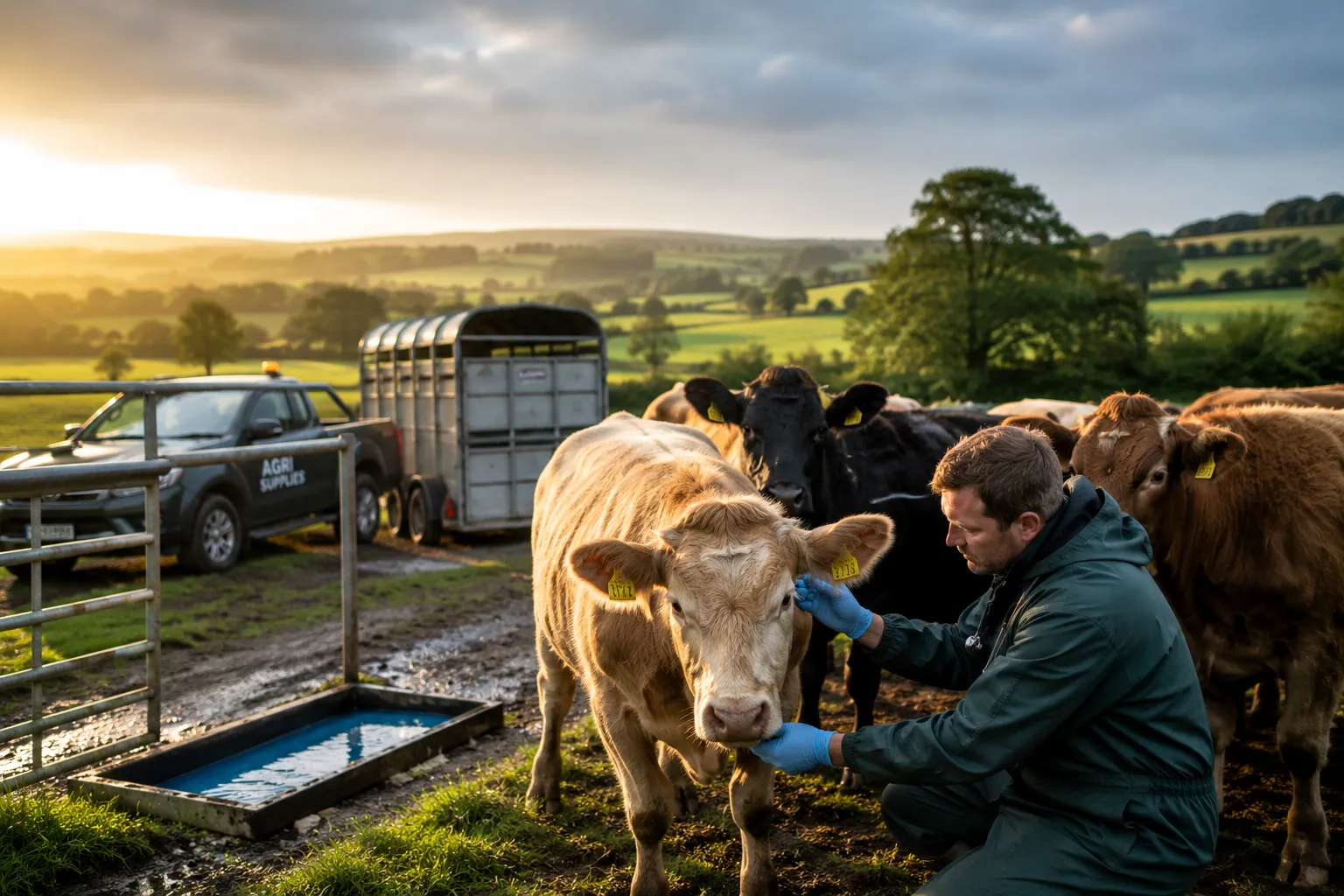
- Lame cows should be treated immediately with a footbath in a suitable solution. Lameness is a major cause of weight loss in cattle and animals with sore hooves will not thrive and are less likely to conceive and carry to term. Cows suffering from chronic lameness should be culled from the breeding herd.
Sire Selection & AI Strategy
The choice of sire is extremely important and has a major impact on the success of the breeding season. Essential measures should be taken to safeguard the genetic integrity of your herd, such as:
- Spreading your risk by using more than one bull. Ideally, you should never allocate more than 15% of your total breeding stock to a single bull, as this puts you at risk in case of fertility drops.
- Gaining a clearer picture in terms of sire selection by consulting the ICBF HerdPlus Sire Advice Tool to maximize Economic Breeding Index (EBI) value while completely eliminating the risk of inbreeding.
- Prioritising sexed semen during the first 3 weeks on high-fertility stock (maiden heifers and young, early-calving cows). Inseminate 14 to 20 hours after the first signs of standing heat.
- Selecting beef AI bulls from the ICBF Dairy-Beef Active list (for non-replacement breeding only!). You can match calving difficulty scores carefully to your cows' parity.
Managing the Season Timeline
All told, the key to a successful season rests in your careful management of the timeline. A breeding season that extends beyond 12 weeks will result in a drawn-out calving season and all the hardships and financial downsides that go with it. The breeding schedule below, if you can stick to it, will leave you in a very strong position going into 2027:
Week 1 to 3: Focus entirely on heavy heat detection using tools like tail paint, scratch cards, scratch pads, or electronic monitoring collars.
Week 6: Use a vet to scan any cow calved more than 35 days that has not yet cycled. Consider veterinary synchronization protocols for late-calving anomalies.
Week 12: "Pull the bull." Remove stock bulls strictly by mid-July to ensure no late, unprofitable calves are born into May of the following year.