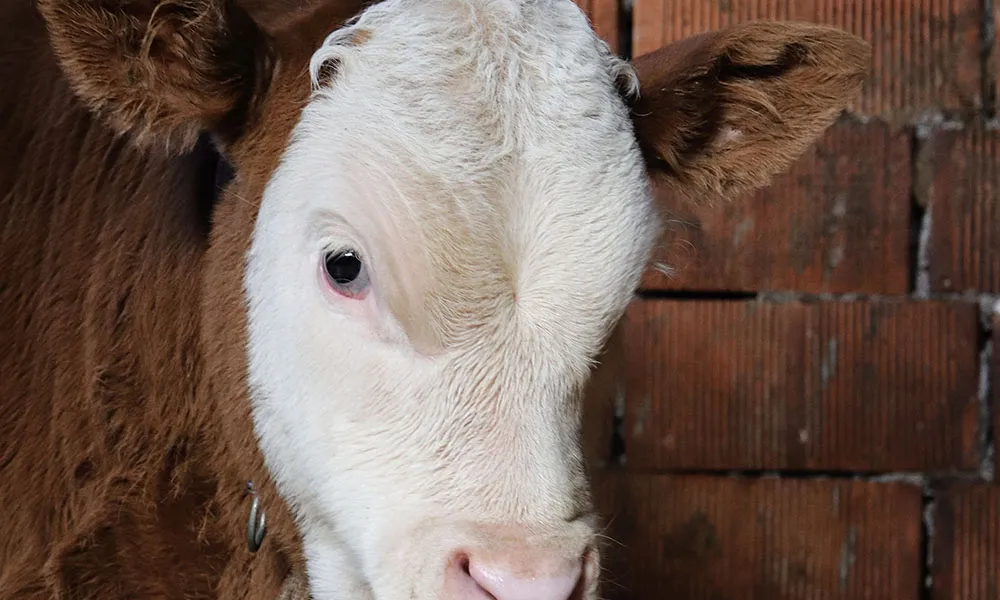
Calf disbudding is one of those farm tasks that few farmers enjoy. However, it is also an essential one and, when done correctly, benefits both the animal and handler. Disbudding should always be carried out in line with Ireland's existing animal welfare regulations and legal requirements. In particular, it is important that it takes place before the calf is 28 days old and that safe handling and pain relief measures are taken.
Key Legal Requirements in Ireland
When preparing to disbud, farmers should ensure the following:
- Age Limits: Thermal cauterization (hot-iron disbudding) is the only legal method of disbudding calves. It can only be performed on calves up to 4 weeks (28 days) old. However, the earlier you can do it, the better for both you and the calf!
- Pain Relief: Only calves under two weeks old can be disbudded without the use of local anaesthesia. Both Teagasc and Animal Health Ireland (AHI) strongly recommend using both a local anaesthetic and an NSAID painkiller for calves of all ages.
- Caustic Paste: Caustic paste cannot be used in Ireland, as it is strictly illegal. There is good reason for this. It causes severe, prolonged, and uncontrollable pain, and poses a high risk of burning sensitive surrounding tissue or eyes if the paste spreads
- Older Calves: After 2 months of age, when the horn bud attaches to the skull, it can only be removed by “dehorning” under veterinary supervision. Again, this means that you should prioritise early disbudding.
Step-by-Step Calf Disbudding Procedure
For safe and effective disbudding, you should follow the following key steps:
- Restraining the Calf: You should restrain the calf using a custom-built, secure calf dehorning crate or headlock to minimize stress and prevent handler injury.
- Administer Anaesthetic: Locate the cornual nerve halfway between the corner of the eye and the base of the ear. Inject up to 2-5 ml of local anaesthetic under the bony ridge. Wait 5–10 minutes for it to take effect (it is important to watch out for droopy ears/relaxed calves).
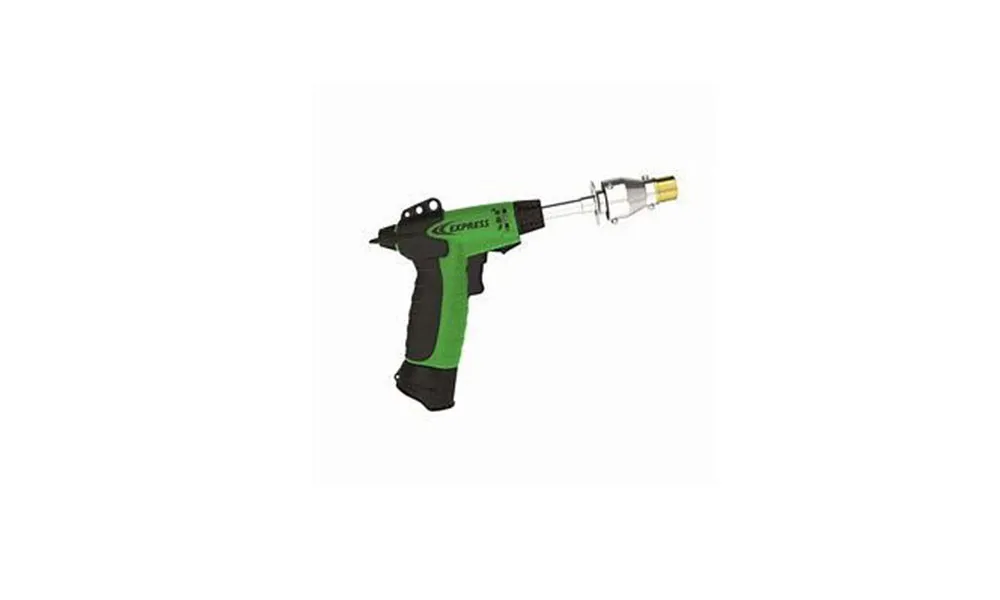
- Thermal Cauterisation: Preheat the disbudding iron to a dull red colour. Firmly place it over the horn bud and apply even, rotating pressure until a complete copper-colored ring of cauterized tissue surrounds the bud. Do not exceed 10–20 seconds, as prolonged application can cause skull/brain damage.
- Disinfect and Check: Treat the wound with an antiseptic spray. Check for any bleeding arteries after 30 minutes and re-cauterize if necessary.
Handler and Animal Safety
The following should also be taken into consideration when disbudding calves on your farm:
- Work Area: Ensure your handling pens are free of debris, clean, and have non-slip surfaces to prevent slips and trips.
- Worker Safety: Always wear protective gloves and safety gear when handling hot-iron tools.
- Aftercare: Monitor the calves daily for about 10 days for signs of infection (head tossing, discharge) or flystrike.