Reduced Costs, Enhance Performance
Input costs on Irish farms are only going one way, and most of us are feeling the financial pressure. In such an environment, farmers are on the lookout for practical, low‑cost adjustments that can strengthen productivity without breaking the bank. One of the most effective places to start is inside the farm gate: improving grazing infrastructure. Even modest changes to how grazing areas are divided and managed can deliver measurable gains in grass utilisation, regrowth, and overall animal performance.
Why temporary fencing?
Temporary fencing—using three or four strands of poly wire, tape, or netting—offers a highly cost‑effective alternative to permanent sheep fencing. It is also far less labour intensive and, over the course of a season or two, no less efficient. When introduced at key points in the grazing year, the temporary fence will allow you to tailor your paddock size to the grazing group, create additional divisions, and improve your control over grass supply.
In most cases, temporary fencing should be put in place early in the year. This will ensure that the benefits are realised from the outset and gives stock, especially young lambs and hoggets, time to adapt to the system. However, it’s not too late to start now. For those of us considering weaning stock in the days and weeks ahead, temporary paddocks offer an excellent and cost-effective alternative to traditional field separation. Here at Agridirect.ie, we have a wide range of fencing materials currently on sale. Why not check them out here!
Benefits of Temporary Grazing Divisions
- Better grass utilisation — tighter control over paddock size encourages more even grazing and reduces waste.
- Improved animal performance — animals spend less time grazing low covers, which supports higher intake and better thrive.
- Enhanced regrowth protection — shorter grazing periods mean longer rest intervals, promoting stronger and more consistent grass growth.
Determining Paddock Number and Size
A practical target is five permanent divisions per grazing group, with the flexibility to subdivide these using temporary fencing. Each area should ideally be grazed out within two to three days.
Example Scenario
- Flock size: 100 lambs
- Stocking rate: 10 lambs/ha (4 lambs/ac)
- Permanent divisions: 5 paddocks of 2 ha (5 ac) each
- Temporary divisions: 5–10 additional breaks as required
Field sizes will naturally vary across farms. By focusing temporary fencing on larger grazing blocks first, farmers can quickly reduce paddock size and achieve a faster return on investment. Many of these temporary subdivisions can remain in place for most of the grazing season.
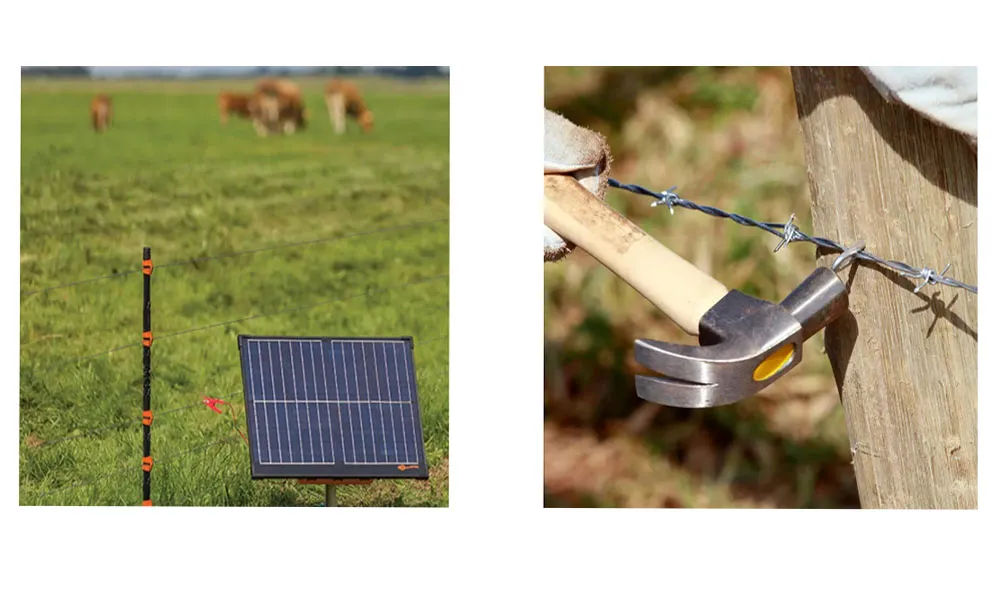
Setting Up Temporary Fencing
For early‑season grazing, four strands are recommended to ensure young lambs are well contained. In August, however, sward height is often significantly higher so you can reduce to three strands.
Key Points for Effective Fencer Setup
Temporary fencing is significantly easier to erect than traditional sheep fencing. That being said, it is not entirely fool proof. There are important steps to be followed when putting up your fence, as well as some key considerations to be taken into account.
- Reliable power supply — ensure the fencer is well earthed and delivering consistent power, especially in dry conditions. Clear all vegetation from the fence line regularly.
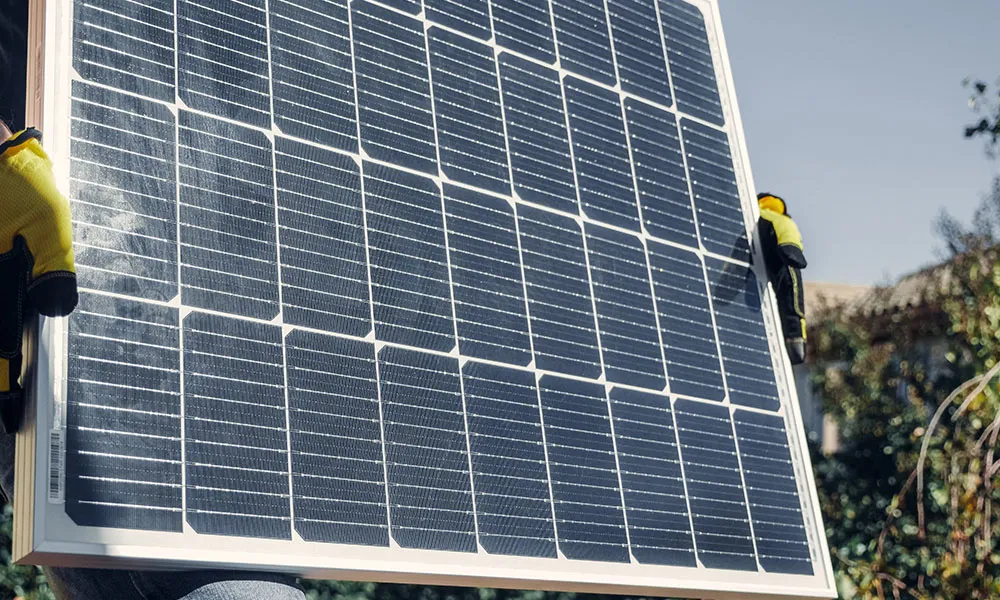
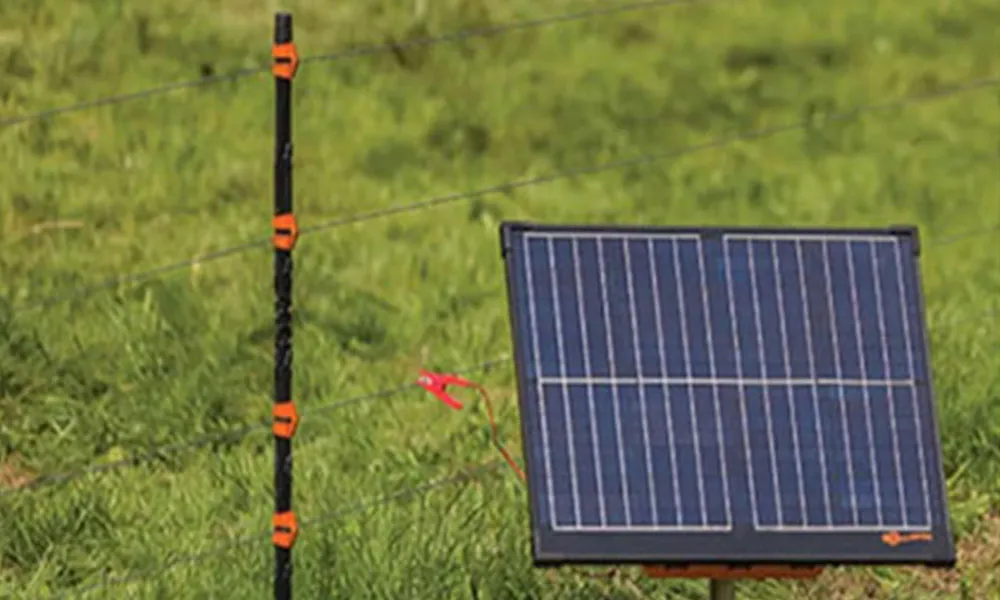
- Choosing the right fencer — mains units are ideal, but battery fencers work well when matched to an appropriate area. Remember that manufacturer specifications are based on a single strand; divide the stated range by the number of strands you are using. Here at Agridirect.ie, we are big fans of the solar fencer. These have been especially effective this year, due to the glorious sunshine we enjoyed last month.
- Correct power connection — always connect power at the open end of the poly wire rather than at the reel. If corrosion occurs, the damaged section can be removed without affecting the reel.
- Joining poly wire — overlap sections using plain steel wire to ensure current flows properly. Some farmers prefer to separate and join individual strands.
- Wire quality — as a general rule, poly wire or tape with more conductive strands performs better.
- Using geared reels — these significantly speed up the process when wire needs to be moved frequently.
- Avoid over‑tensioning — excessive tension can damage the conductive strands within the wire or tape.