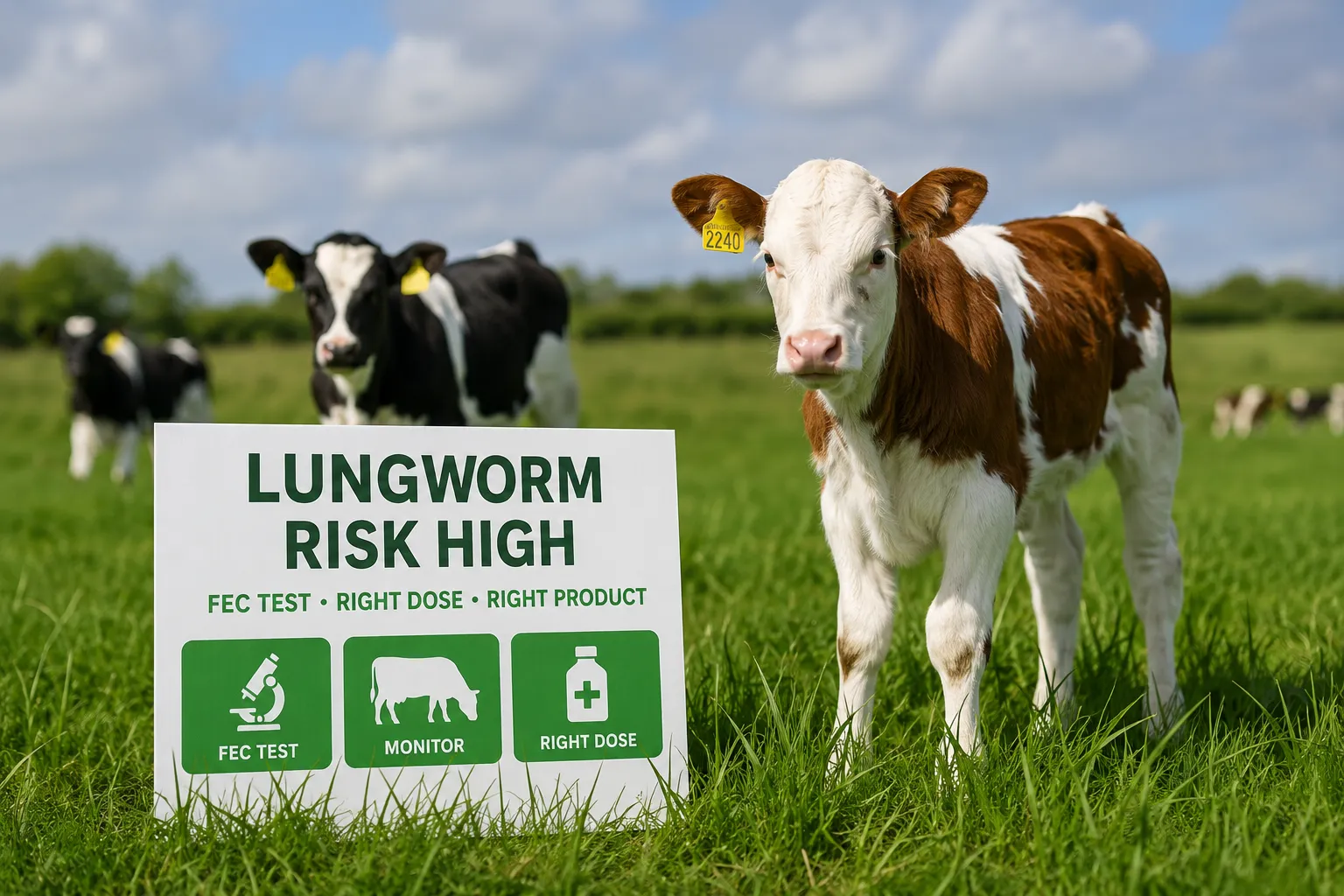
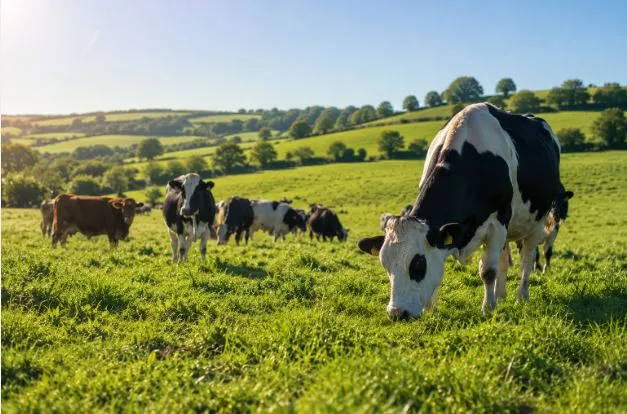
Stock are out, grass is growing, and parasite pressure is building on pastures across the country. That's not a scare story - it's simply part of the grazing season. Understanding what's driving parasite pressure can help farmers plan ahead, even though decisions about treatment should always be made with your veterinary practitioner.
Why Summer Is Peak Parasite Season
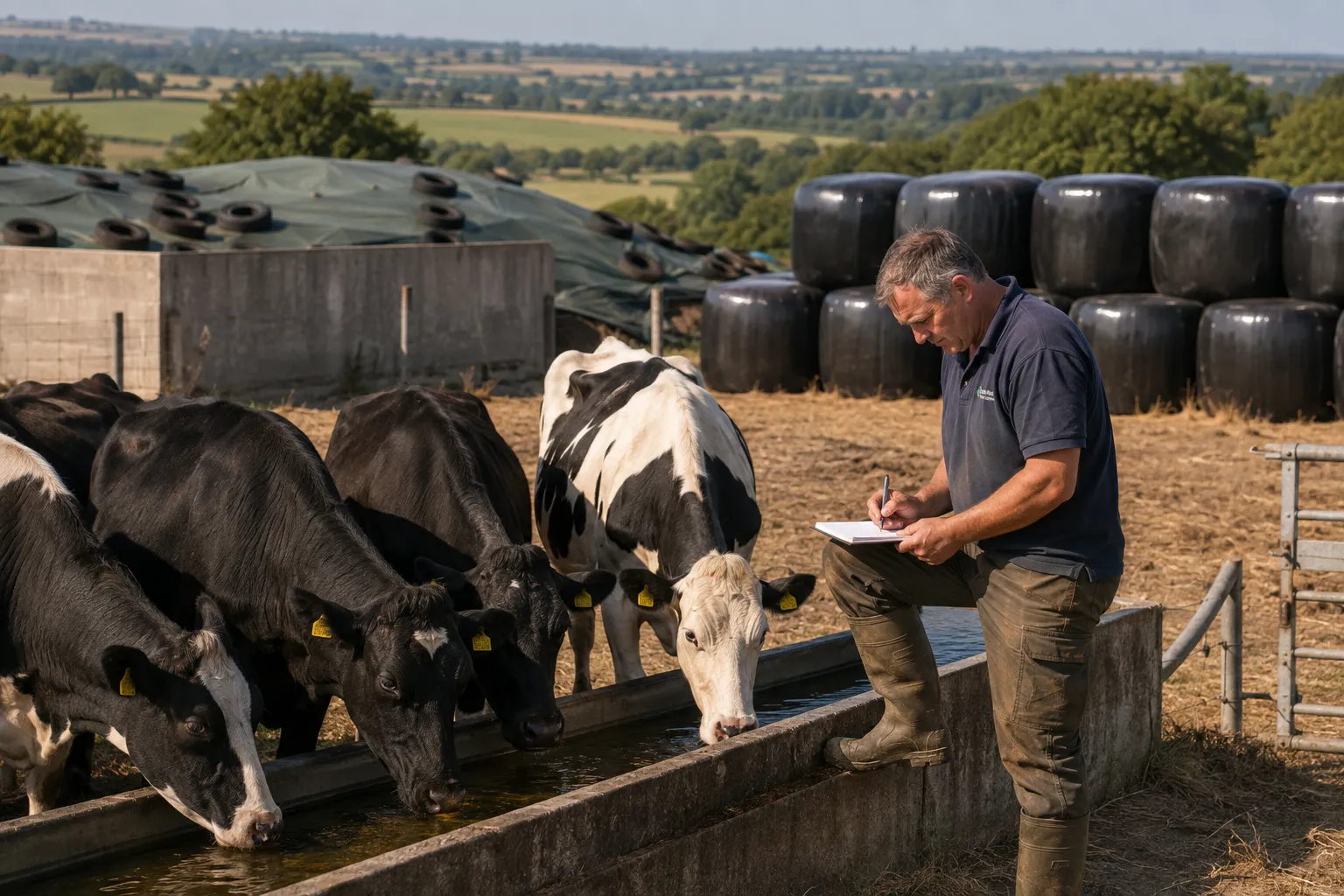
Warm temperatures and moisture create ideal conditions for worm and fluke larvae to develop on pasture. As cattle and sheep graze, they can pick up larvae from the sward, continuing a natural cycle that occurs every grazing season.
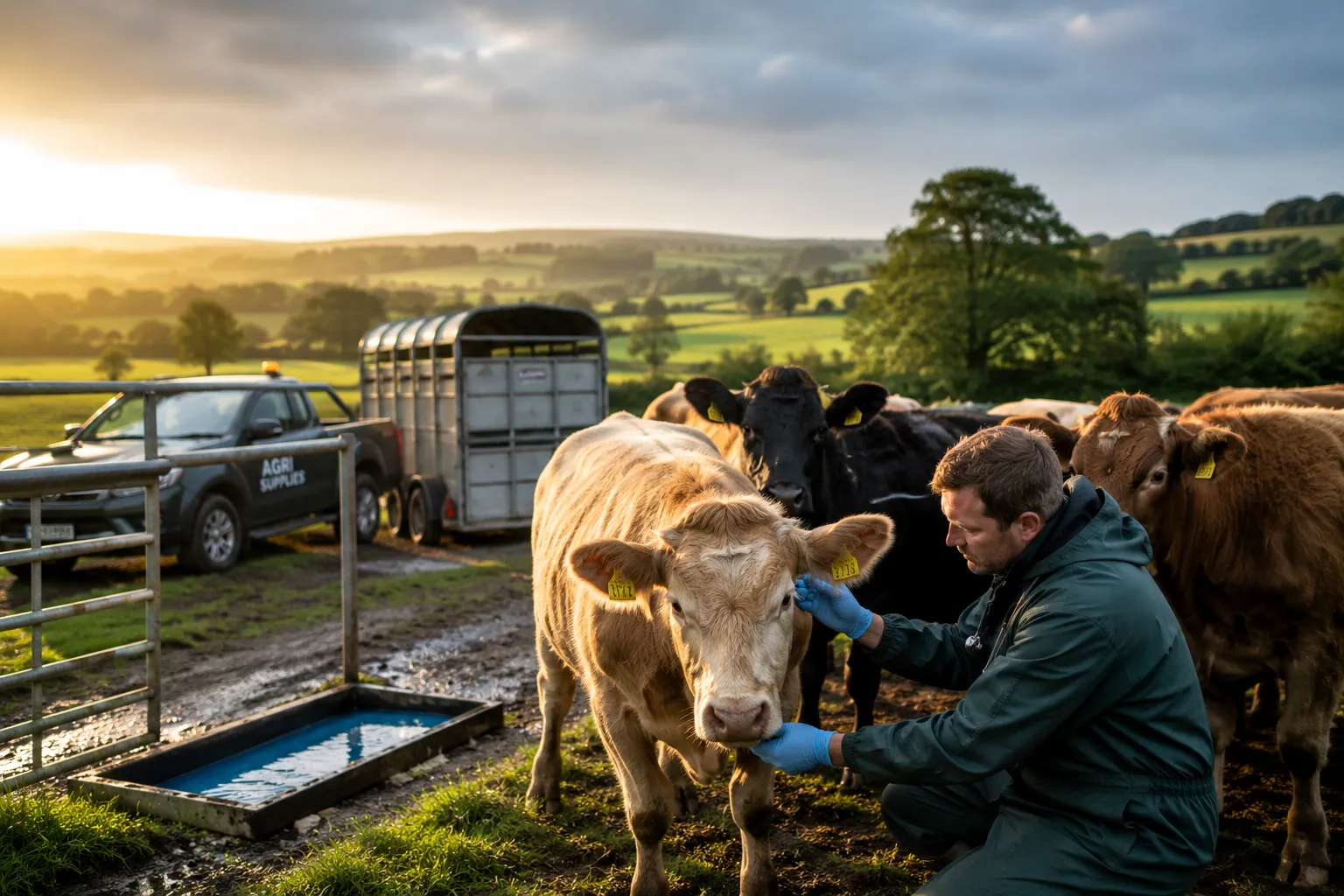
That's grass biology, not a diagnosis. What it means for your herd or flock, and whether any treatment is needed, is a conversation for your vet. They know your farm's history, grazing system and livestock, and can advise on the most appropriate course of action.
What's Shaping the Risk This Year?
Several factors influence the level of parasite challenge on any farm, including:
- Weather: Mild, wet conditions favour larval survival, while prolonged dry periods can slow development without eliminating the risk.
- Ground conditions: Damp or low-lying paddocks can create favourable conditions, particularly for liver fluke.
- Stocking density: Higher stocking rates can increase the build-up of parasite larvae on pasture.
- Grazing management: Repeated grazing of the same paddocks can allow parasite burdens to increase over time.
Following a relatively mild, wet winter and a warm spring, Teagasc has highlighted the potential for increased parasite pressure during this grazing season. While every farm is different, these conditions reinforce the importance of monitoring livestock throughout the summer.
It's Not Just Youngstock
Calves and lambs are generally more vulnerable to parasites because they are still developing immunity. However, mature grazing cattle and sheep can also carry parasite burdens that may affect health and performance.
Whether parasites are having an impact on your animals isn't something to judge by appearance alone. Your vet can assess your farm's situation and advise whether further investigation or treatment is appropriate.
A Shift Towards Targeted Treatment
Many farmers are moving away from treating livestock on fixed calendar dates and instead using a more targeted approach.
Faecal Egg Count (FEC) testing, carried out through your vet or animal health advisor, can help determine whether treatment is actually required. This approach supports responsible parasite control while helping to protect the effectiveness of available treatments for the future.
Treatment decisions should always be based on your farm's individual circumstances, including testing results, grazing history and professional advice from your vet.
Good Grazing Management Still Matters
Alongside professional advice, good grazing management plays an important role in supporting livestock health throughout the season.
Simple management practices include:
- Regularly monitoring stock for changes in health or performance.
- Rotating grazing where practical.
- Avoiding excessive stocking pressure.
- Paying particular attention to damp or high-risk paddocks.
- Keeping accurate livestock health records.
Every farm is different, so parasite management should always be tailored to your own circumstances.
Where Agridirect Fits In
At Agridirect, we're here to support Irish farmers throughout the grazing season.
We stock a wide range of animal health products, equipment and livestock supplies to help support your summer animal health programme, including products for worm and fluke control. Our team can also help you find the products you're looking for and direct you to the appropriate advice where required.
Treatment decisions should always be made in consultation with your vet, who can advise on the most suitable approach for your farm.
For more livestock health information, browse our Animal Health range or speak to your veterinary practitioner for guidance specific to your herd or flock.
Always read and follow the product label before use, and seek advice from your veterinary practitioner before treating your animals.
Frequently Asked Questions
What is summer dosing season?
Summer dosing season generally refers to the period during the grazing season when cattle and sheep are most exposed to internal parasites such as worms and, in certain conditions, liver fluke.
Why is parasite pressure higher during summer?
Warm temperatures, moisture and continuous grazing create favourable conditions for parasite larvae to survive and develop on pasture.
Does weather affect parasite levels?
Yes. Mild, wet weather generally favours parasite development, while prolonged dry conditions may reduce larval survival. Local ground conditions and grazing management also influence the level of challenge on individual farms.
How do I know if my animals need treatment?
Treatment decisions should be based on your farm's circumstances, including animal performance, grazing history, faecal egg count results where appropriate, and advice from your vet.
Should I treat animals on the same date every year?
Many farms are moving towards targeted parasite control rather than routine calendar-based treatment. Speak with your vet to determine the most appropriate approach for your livestock.
Where can I find products to support my summer animal health programme?
Agridirect stocks a wide range of animal health products, equipment and livestock essentials to support farmers throughout the grazing season. If you're unsure what you need, speak with your vet before making treatment decisions.