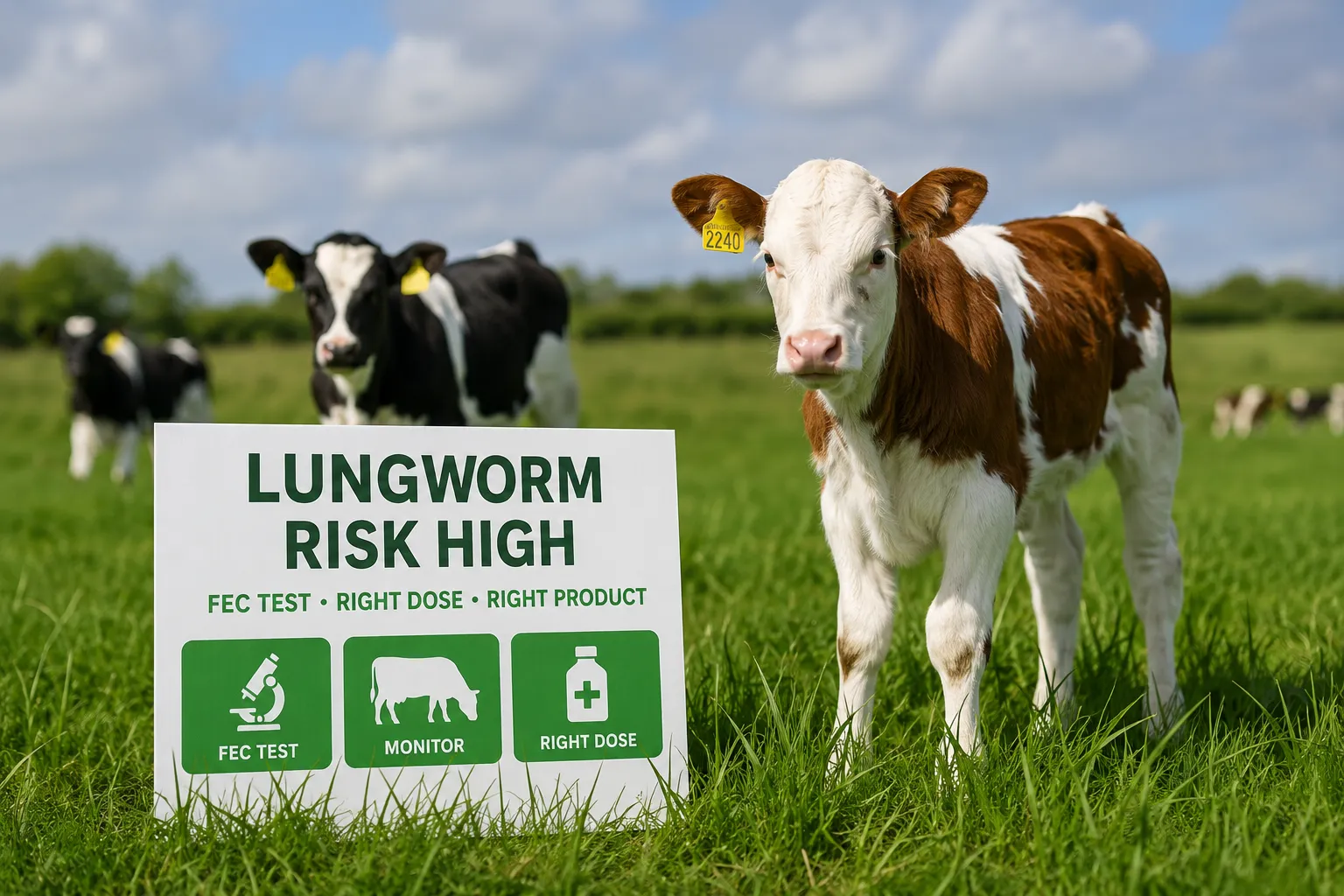
Only 4 in 10 farmers have done an actual winter fodder budget this year. The rest are hoping. That's the real story of this drought — not the hosepipe ban, not the soil moisture figures. Teagasc's National Fodder Survey found 90% of farms expect to have enough feed for winter, but only 40% have sat down and worked out whether that's actually true. If you're in the 60% who haven't, this week is the week to fix that.
Why this drought is different
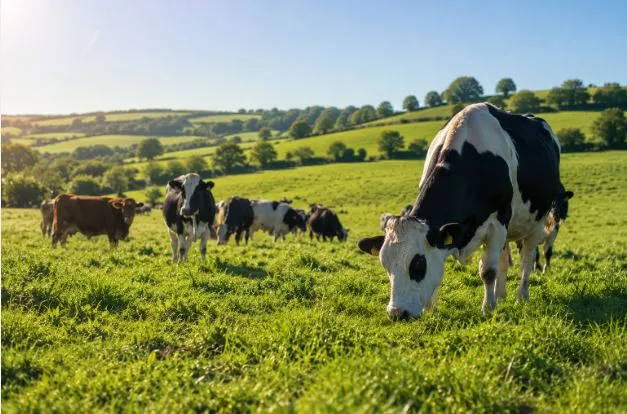
Soil moisture deficits are running at 88-90mm in the south-east and parts of Leinster and Munster. Teagasc and Met Éireann reckon it'll take 30-60mm of rain to get growth back to normal — and that's not likely through the rest of August. Grass growth in parts of Leinster has dropped to 17-35kg DM/ha/day, against normal summer demand of 50-55kg DM/ha/day. Over 70% of dairy cows in the south and east are already on silage and meal. ICBF milk recording data shows average yield down from 24.14kg/cow at the start of July to 22.56kg by 24 July — cows are feeling it, and so are the pits.
ICMSA's Denis Drennan has flagged the real risk: farmers feeding next winter's silage now, on top of extra concentrates, could be doubling or trebling the cost of producing a litre of milk — at a time when milk price is already below cost of production. That's the squeeze. The way out of it isn't hoping for rain. It's budgeting.
Work out what you actually have
Before you decide anything, know your numbers.
- Measure your silage — pit volume or bale count, converted to tonnage. As a rule of thumb, one bale feeds roughly 10 cows and calves for a day.
- Budget for 7 months, not 5. Droughts and late springs are coming more often — build in the buffer if you can, rather than budgeting to the old calendar.
- Use PastureBase Ireland or your Teagasc advisor if you want it done properly rather than on the back of an envelope. Either way, get a number on paper this week — not a feeling.
Tirlán has just extended a €1.7 million Weather Support Package for its milk suppliers, with rebates on feed, cereals and fertiliser — orders due 1pm Friday 15 August, delivered by 19 August. Whether or not that applies to you, it tells you how seriously the co-ops are treating this. It's not a normal summer.
Stretch the grass you've got
If ground is still growing anything, get more out of it before you reach for extra feed.
- Extend rotations to 25-30 days. Slower rotation means paddocks get more recovery time before you're back on them.
- Target a 4cm post-grazing residual. Grazing tighter than that on parched ground does long-term damage to the sward — you're trading this week's feed for next spring's growth.
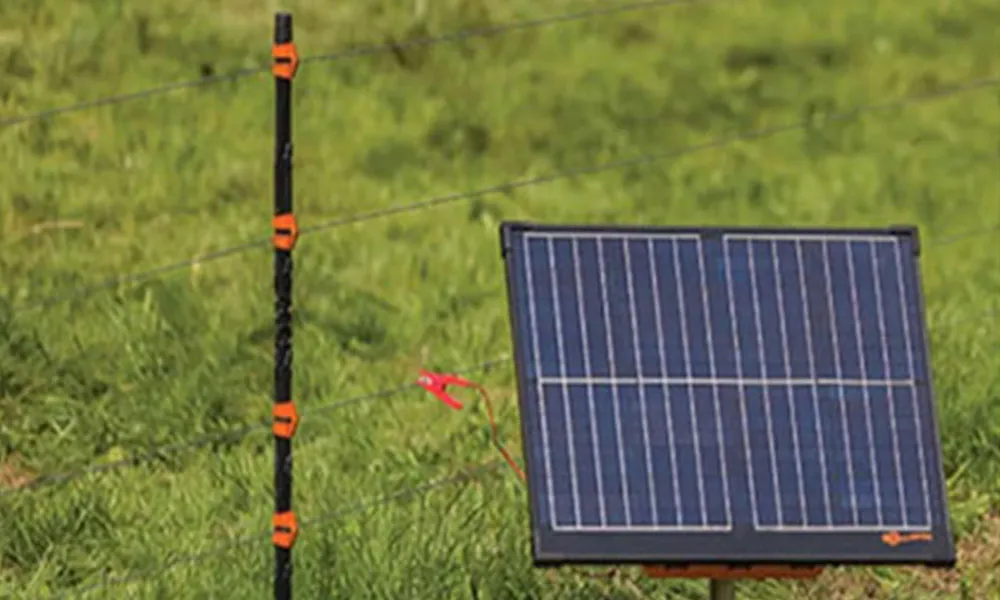
- Hold off on fertiliser. With soil moisture this low, uptake is poor. Spreading now is money and product wasted until there's meaningful rain.
Cut demand before you chase more feed
The fastest way to close a fodder gap isn't always more silage — it's fewer mouths eating it.
- Cull non-productive stock now rather than carrying them into winter.
- Sell finished cattle off rather than holding for a better price that may not come.
- Wean autumn-born calves early to take pressure off dams.
- Prioritise silage and meal toward breeding stock, first-calvers and replacement heifers — these are the animals where nutrition this autumn directly protects next year's output and fertility.
Bridge the gap with concentrates — but test your silage first
If you need to restrict silage to make it last, concentrates can cover the shortfall. Roughly 3-4kg of meal per day lets you cut silage allocation by 20-25% without hitting performance. But don't guess — get your silage analysed for DMD before you build a winter ration around it. Feeding blind against poor-quality silage is how a manageable gap turns into a real one by January.
Check your water before you're caught out
The hosepipe ban that started 24 July and runs to 26 August targets domestic use — garden hoses, car washing, filling pools. Agricultural use isn't within its scope, though Uisce Éireann is asking farms to conserve voluntarily, given farming areas are cited as part of the demand pressure. Fines up to €5,000 exist on paper but haven't been used — this is a conservation ask, not enforcement.
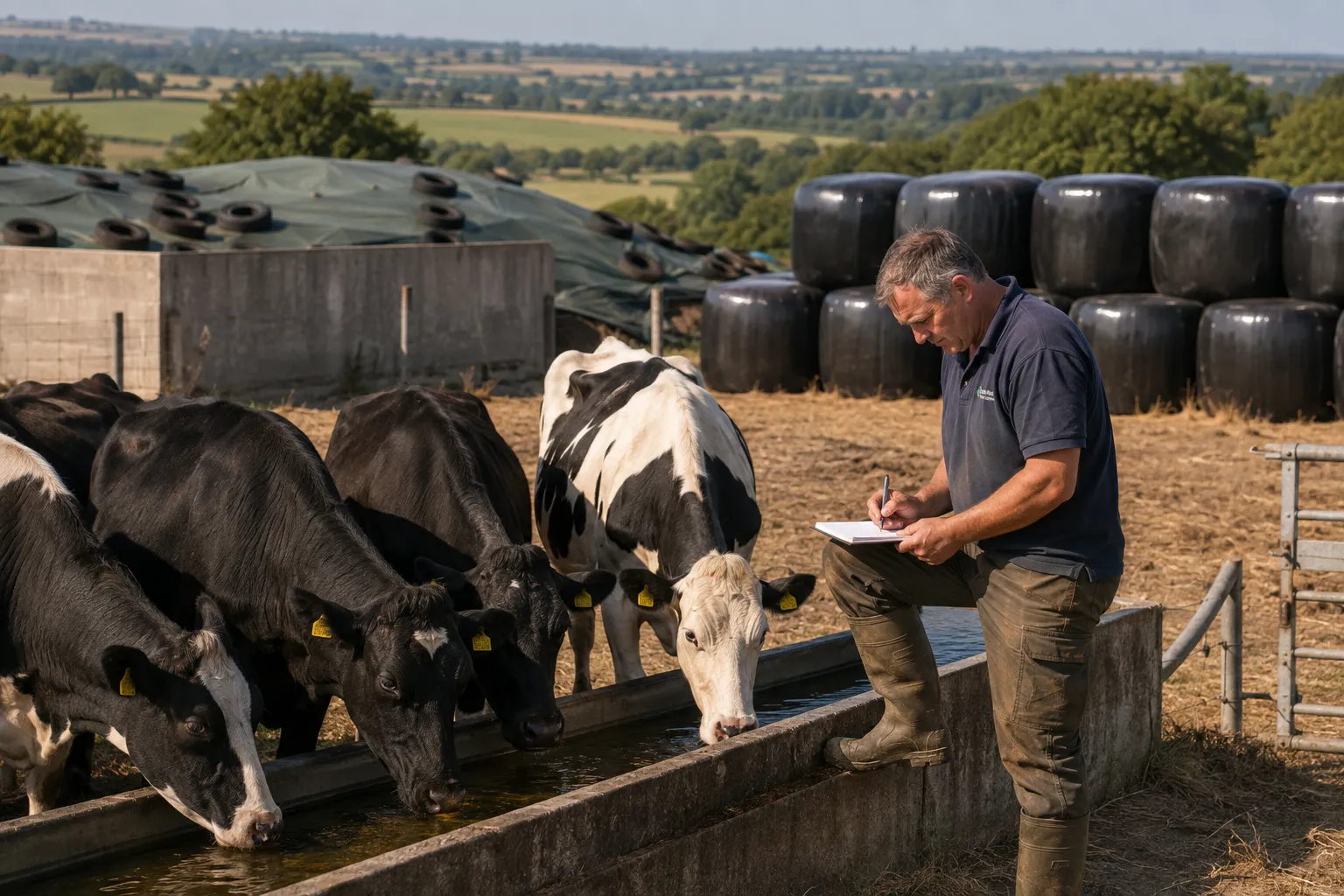
That said, don't take trough pressure for granted. Cattle drinking to cool down once temperatures pass 25°C need far more water than normal, and mains pressure doesn't always hold at peak demand. A Louth farmer with 200 cattle was left without water entirely during a recent supply outage. IFA's David Hall in Monaghan-Cavan has pointed out that farmers who upsized their drinkers and troughs after the 2018 drought are coping noticeably better this time round.
Check capacity and flow rate now, not when a tank runs dry at 6am. If you're due an upgrade, it's worth looking at what's available in drinkers and water troughs before supply becomes the emergency rather than fodder.
Protect what's already in the pit
Every bale matters more this year than it did last year. A puncture, a gap in the netting, or a corner of the pit left exposed to crows isn't a minor loss right now — it's tonnage you've already paid to cut and can't get back. Check wrap integrity, keep sheeting weighted down properly, and don't let air ingress or vermin quietly eat into your counted reserves between now and January. If your pit covers or netting are due for renewal, it's a cheap fix relative to the silage it protects — worth a look at silage pit protection.
Don't drop minerals when the diet changes
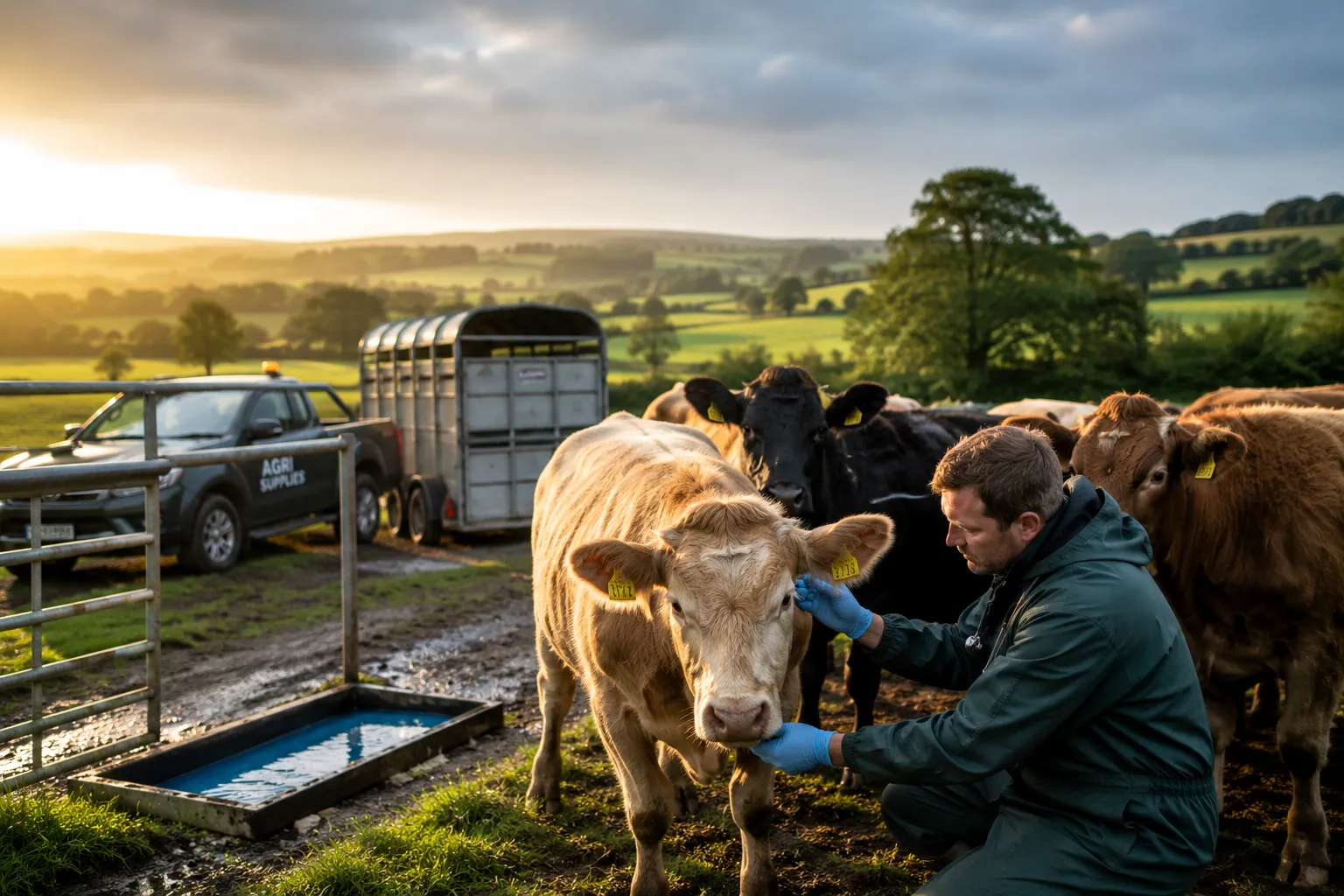
Cows and ewes under heat stress and nutritional stress are more prone to embryonic loss during breeding season — vets and the IFA are both flagging this as a live risk right now, not a theoretical one. Heat stress also raises mastitis risk in dairy cows and blowfly strike risk in sheep. Whatever you're doing to bridge the fodder gap — extra meal, restricted silage, changed grazing — keep mineral and trace element supplementation consistent through it. It's what holds body condition and fertility together while everything else on the farm is being juggled. Worth checking your stock of mineral supplements or mineral buckets now rather than mid-breeding-season.
The one job for this week
You can't control the rain. You can control whether you know your numbers. Pull your silage stock, count your bales, and put a real figure against a 7-month winter — then check your troughs can handle another few weeks of this heat and your mineral stock isn't about to run out. Everything else in this piece is easier once that's done.