Whelehan Crop Protection Grassland Newsletter
With the welcome return of some rainfall to many parts of the country, there's still plenty of the growing season ahead, so now is the time to start thinking about autumn weed control.
Taking action at the right time can help young reseeds that were sown in recent weeks get established quickly, reduce weed competition and protect the investment you've made in grass and clover. With more farms incorporating clover into reseeding programmes, choosing the right herbicide has never been more important.

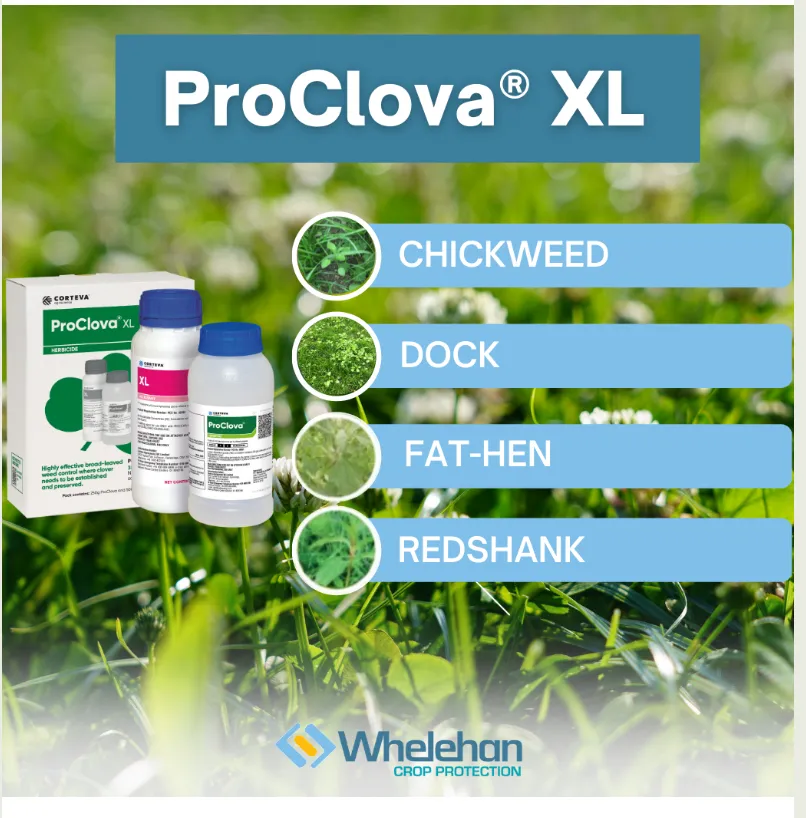
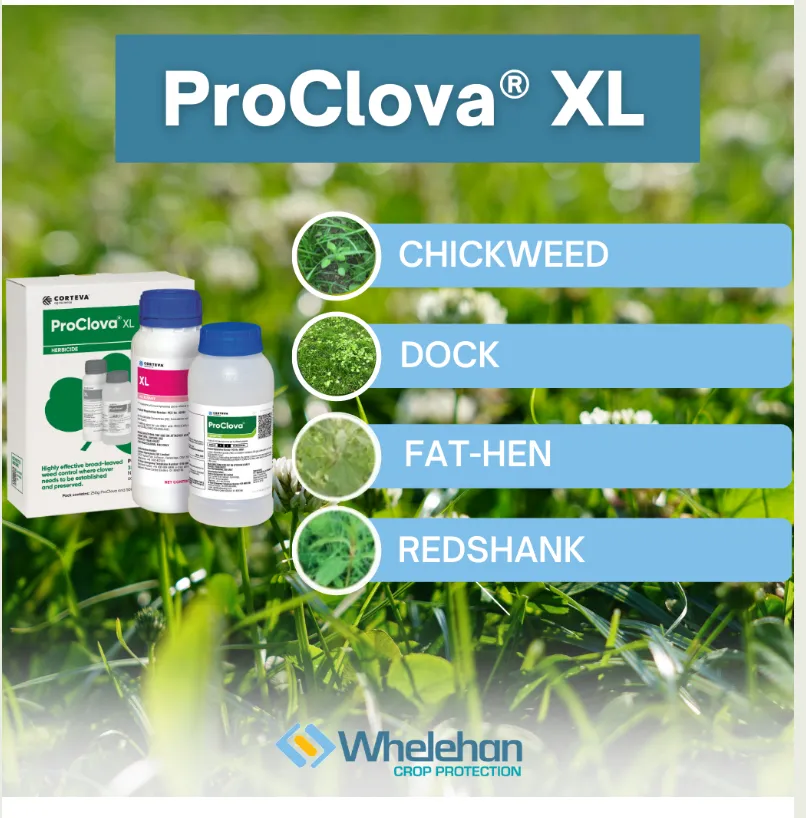
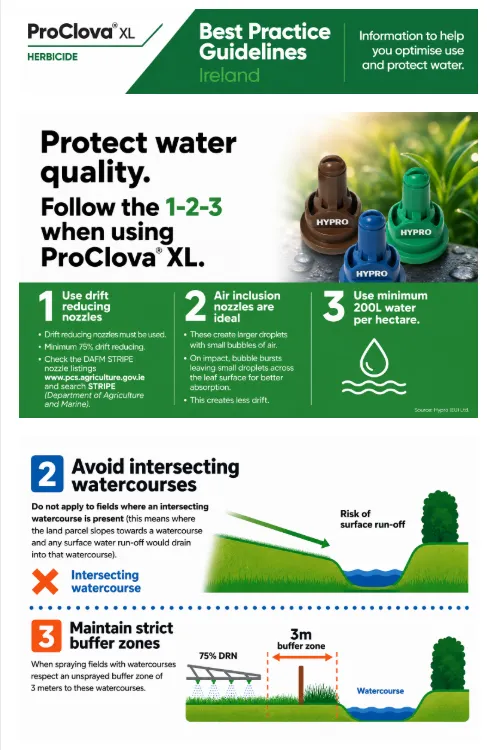
Protect New Reseeds with ProClova® XL
Young reseeds need every opportunity to establish before winter. Left unchecked, weeds such as docks and chickweed can quickly compete with emerging grass plants, reducing establishment and overall productivity.
ProClova® XL offers excellent broad-spectrum weed control while remaining safe on clover, making it an ideal choice where clover is part of the reseeding programme.
Why choose ProClova® XL?
✅ Clover-safe in new leys
✅ Rainfast in just one hour, providing greater flexibility when weather windows are tight
✅ Controls docks, chickweed, redshank, fathen and many more broad-leaved weeds
✅ Supplied as a convenient co-pack treating up to 3ha in new leys
👉 Learn more about ProClova® XL
|
||||||||||||
|
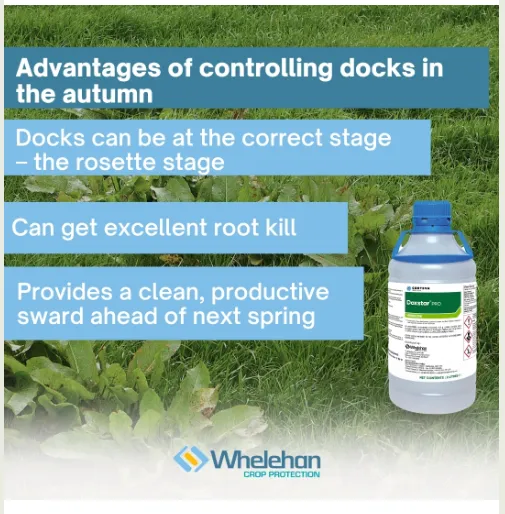
Controlling docks in the Autumn
There is still an opportunity to control docks in grazing swards this autumn and benefit from improved grass utilisation and animal performance for the remainder of the grazing season, as well as into next year.
Opportunities to spray weed-infested swards following first-cut silage were limited this year. However, over the coming weeks, conditions may be suitable for treatment with a translocated herbicide.
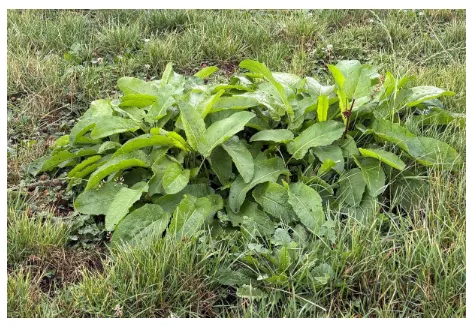
Where docks are the dominant weed, DoxstarPro is the proven solution. Research trials and practical farm experience have consistently demonstrated its ability to provide long-term dock control. As a translocated herbicide, DoxstarPro moves throughout the plant, ensuring the active ingredient reaches the extensive root system, which can extend to depths of up to one metre.
Autumn applications have consistently delivered excellent levels of root kill. At this time of year, docks are actively transporting nutrient reserves from the leaves down into the root system in preparation for winter. This natural movement also helps carry the herbicide deep into the roots, resulting in more effective long-term control.
During the drought period, while grass struggled to grow, many deep-rooted weeds like docks continued to grow due to their deep taproots. These docks can be controlled in the coming weeks as the grass recovers from the drought stress.