Lungworm Pressure Rising Fast: Why FEC Testing and the Right Dose Matter This Summer
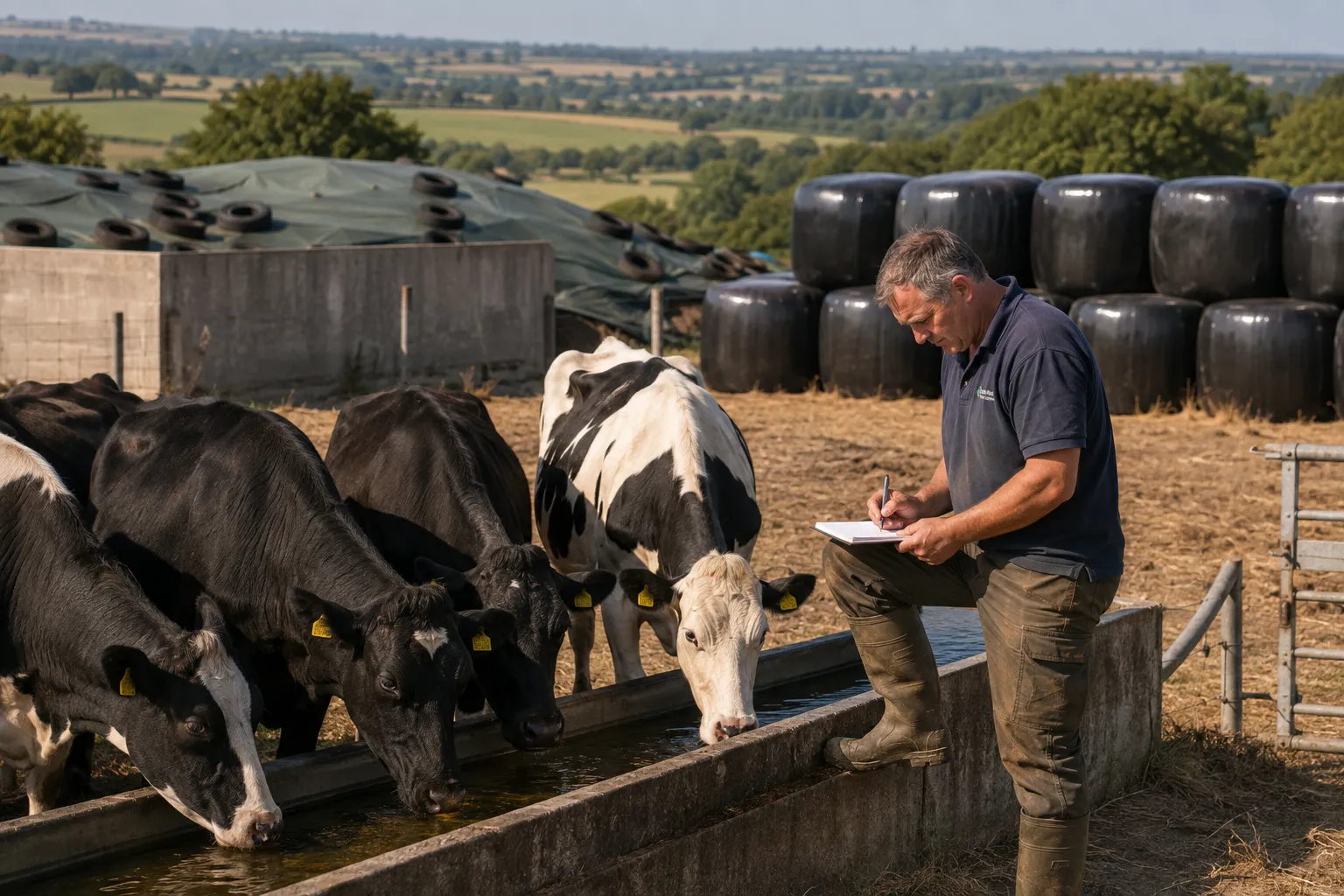
Calves are now fully at grass across most Irish farms, first-cut silage is approaching fast, and vets are already reporting increased lungworm pressure in young stock. Add in the recent mild winter and wet grazing conditions, and many farmers are entering the highest-risk period of the year for hoose and stomach worms.
At the same time, Teagasc advisors are urging farmers to rethink blanket ivermectin use, especially where lungworm symptoms are already showing.
For beef and dairy farmers, this is the point in the season where faecal egg counts (FECs), grass management, and choosing the correct wormer can make a major difference to thrive, daily liveweight gain, and avoiding costly setbacks.
Why Lungworm Risk Is Increasing Right Now
Lungworm (Dictyocaulus viviparus) thrives in warm, damp grazing conditions and spreads rapidly once calves begin grazing heavily contaminated paddocks.
The danger period typically builds from late May into July as:
Calves spend longer grazing
Stocking rates increase
Wetter weather boosts larval survival
Silage ground rotations tighten grazing pressure
The first signs are often subtle:
Mild coughing after movement
Reduced thrive
Faster breathing
Lower appetite
But outbreaks can escalate quickly.
Teagasc has repeatedly warned that lungworm is one of the most unpredictable cattle diseases because immunity in young calves develops unevenly.
Why FEC Testing Is Becoming Essential
More Irish farmers are now using faecal egg counts (FECs) to guide dosing decisions instead of routine calendar treatments.
That shift is happening for two key reasons:
1. Resistance Is Increasing
Irish studies have shown growing resistance to several wormer classes, particularly ivermectin-based products on some farms.
In one Teagasc/UCD study, full ivermectin resistance was identified on multiple calf-to-beef farms.
2. Targeted Dosing Saves Money
FEC testing helps farmers:
Avoid unnecessary treatments
Dose only when needed
Pick the correct product class
Protect wormer effectiveness long-term
Teagasc specifically recommends using FEC results alongside animal performance and coughing symptoms before deciding on treatment.
Why Levamisole Is Back in Focus
One of the biggest talking points this grazing season is Teagasc advice around levamisole (“yellow drenches”) versus ivermectin products where lungworm is suspected.
According to current guidance, slower-acting levamisole products may actually be safer in active lungworm outbreaks.
Why?
When ivermectin-type products kill lungworms very rapidly, calves with already-compromised lungs may struggle to clear the dead worms quickly enough.
Teagasc advisors recently warned that:
“Slower-acting products, such as your yellows or your levamisole, might work better.”
That doesn’t mean ivermectin has no place — far from it. Macrocyclic lactones still provide valuable residual protection in many systems. But treatment choice should depend on:
Whether calves are coughing already
Grazing history
Previous resistance issues
Veterinary advice
Timing before silage rotations
Timing Matters Around Silage Ground
Many farms are about to remove paddocks for first-cut silage, which changes grazing pressure significantly.
After silage ground closes:
Remaining paddocks carry heavier stocking rates
Calves graze tighter
Worm challenge can rise sharply
This often creates the first major lungworm spike of the season.
Monitoring calves closely over the next 3–6 weeks is critical.
Practical Steps Farmers Should Take Now
Watch for Early Hoose Signs
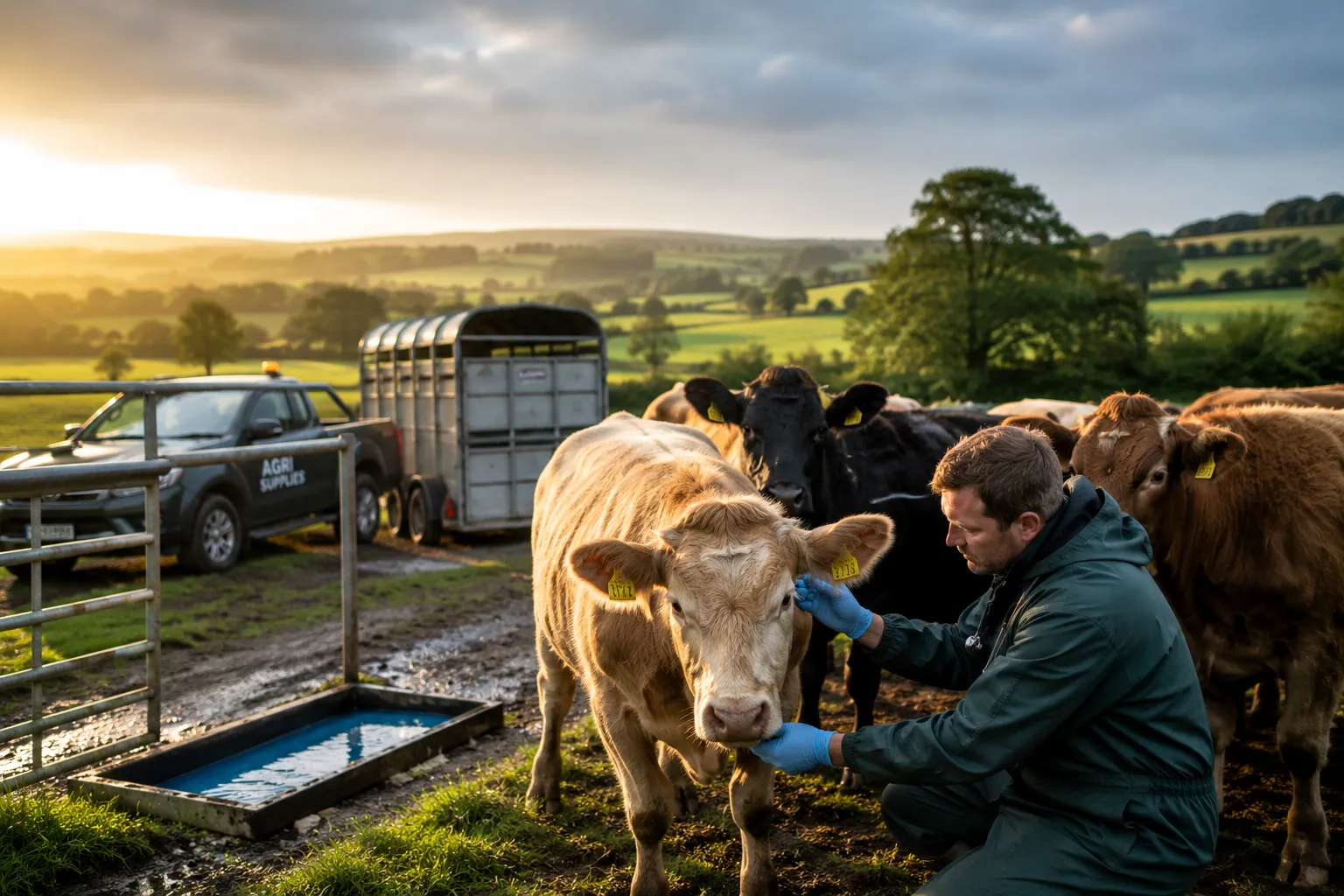
Don’t ignore mild coughing after moving cattle.
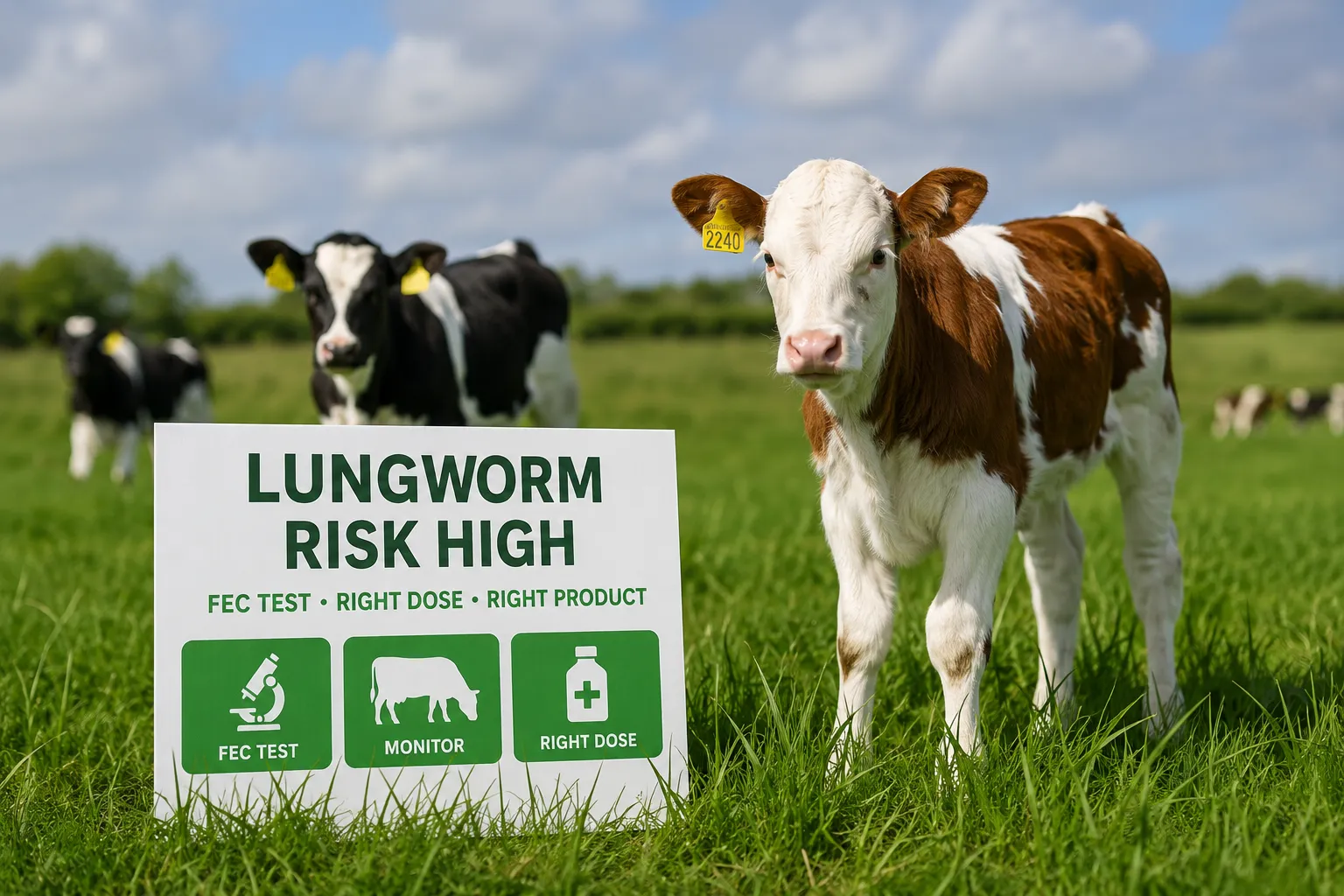
Use FECs Before Blanket Dosing
Targeted treatment is now best practice on most farms.
Dose to Correct Weight
Under-dosing accelerates resistance development.
Rotate Product Classes Carefully
Avoid repeated overuse of the same active ingredient.
Talk to Your Vet or Advisor
Every grazing system is different — especially dairy-beef farms with high stocking pressure.
Final Thoughts
This summer is shaping up to be a significant lungworm year across Ireland.
With calves fully at grass, silage rotations tightening, and resistance concerns growing, parasite control decisions matter more than ever.
The farms that stay ahead of the problem will likely be the ones using:
regular observation,
strategic FEC testing,
and the right wormer at the right time.
Getting ahead of lungworm now is far easier — and cheaper — than trying to recover performance later in the season.