Cutting red-tape is welcome
Last week, the Government announced that it was fast-tracking key national infrastructure projects, by cutting much of the administrative red tape that has slowed planning and development to a glacial pace. The move is certainly welcome, as Ireland has fallen behind much of Europe in key areas of infrastructure development. Most state-led projects are taking far too long to complete and costing the Irish taxpayer far more than they should.
But what about farmers?
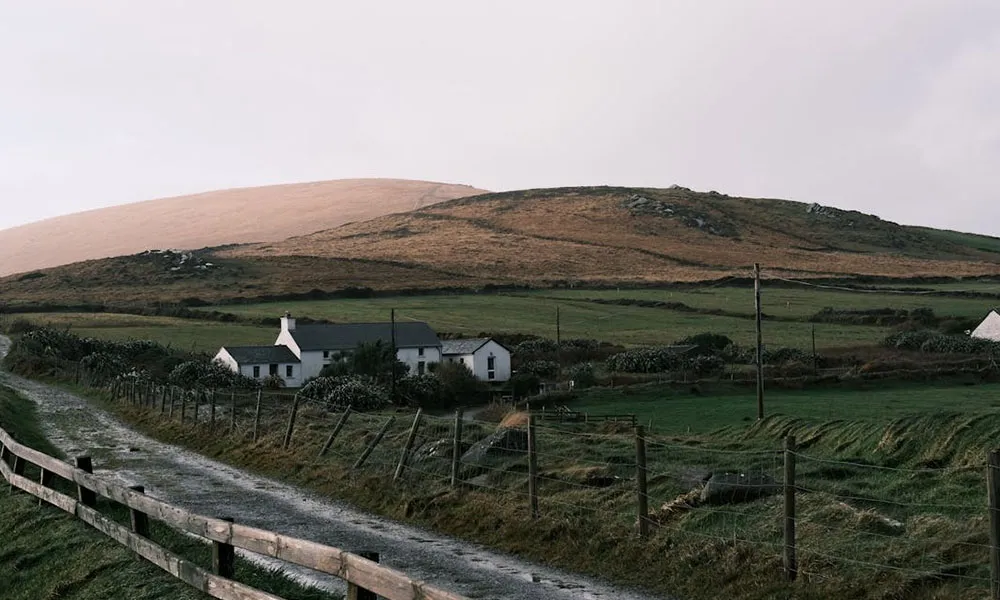
But when it comes to alleviating the planning restrictions that are slowly destroying Irish family farms, the Government remains intransigent. As any farmer will tell you, Government policy is making it almost impossible for his family to live on the ancestral land. Planning permission for new houses is almost impossible to obtain from local authorities, meaning that farmer’s children are being forced to move into towns and villages, often leaving aging parents without immediate support.
In the long-term, this is leading to a steady population migration away from rural areas and into urban settings. Whether by accident or design, Government is slowly strangling rural Irish live in favour of urbanisation.
A fairer balance must be found
The most common reasons for rejecting planning permission on family farms are:
1. The national moratorium on “one-off” housing and;
2. Environmental concerns about septic-tank run-off (site percolation).
I don’t want to downplay the importance of either of these issues. Both are legitimate concerns, but it is clear that a fairer balance needs to be struck. Young farmers, who stand to inherit the family farm, should not be prevented from building on their own farmland simply because some people consider another house on the roadside to detract from the landscape. In many cases, this is precisely what is happening. Objections, often not even placed by locals, lead to lengthy appeals processes that ultimately cause farmers to abandon planning applications.
Simple solutions do exist
If the rural aesthetic is a concern for Government, then restrictions regarding the permissible style of the dwelling may be implemented in place of a blanket ban. After all, modern construction technologies allow for the building of new, A-rated homes that look like traditional Irish farmhouses.
As far as site percolation goes, issues around poor-draining soil can be rectified using alternative methods. Mechanical wastewater treatment systems can mitigate the risk of groundwater contamination from septic tanks. The use of willow beds in the percolation area, which has been successfully used in Denmark for decades to achieve zero-discharge, is another option. However, the lack of clear national planning guidelines for rural housing means that many local authorities are still reluctant to grant permission for such projects. This needs to change.
Absurd contradictions visible to all
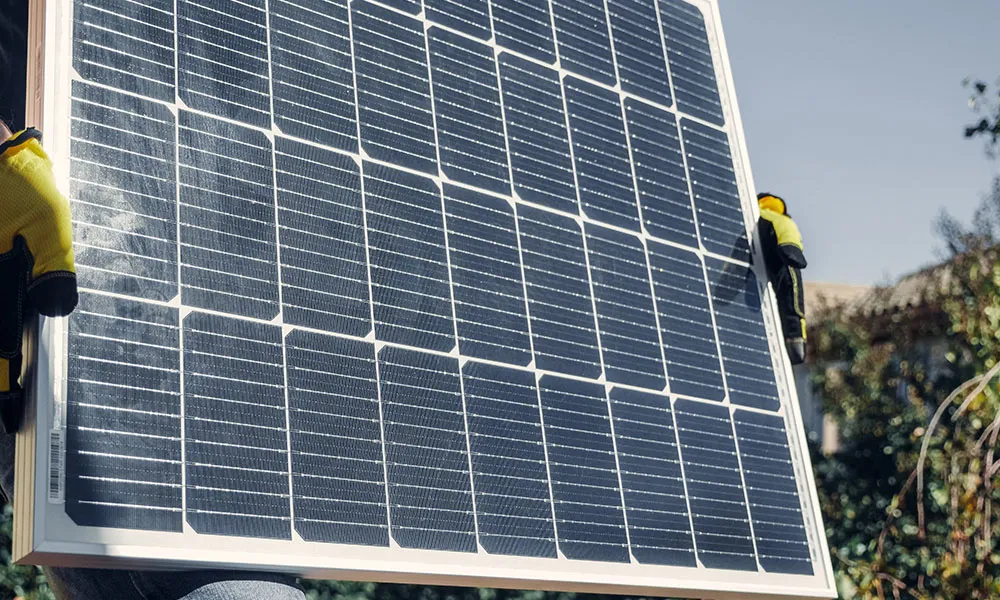
Whatever the reasons given for refusing planning applications to farmers’ children, many in rural Ireland are starting to notice the absurd contradictions in Government policy. There seems to be no problem gaining planning permission on farmland if the project is for a large housing estate, a solar farm or a road; but every kind of barrier is placed in the way of farmers who are endeavouring to safeguard the family farm for the next generation. This is an unsustainable and deeply unfair situation, and farming groups are rightly organising against it.
Farmers and farming organisations must capitalise on public support
A recent Ireland Thinks poll, commissioned by the Farming Independent, suggests that there is enormous public support for easing the planning restrictions preventing farmers’ children from building on the family farm. As a farming community, we need to capitalise on that support while we have it. Failure to do so will result in continued decline, and ultimate extinction, of our ancient rural way of life.
This is something we simply cannot allow to happen!