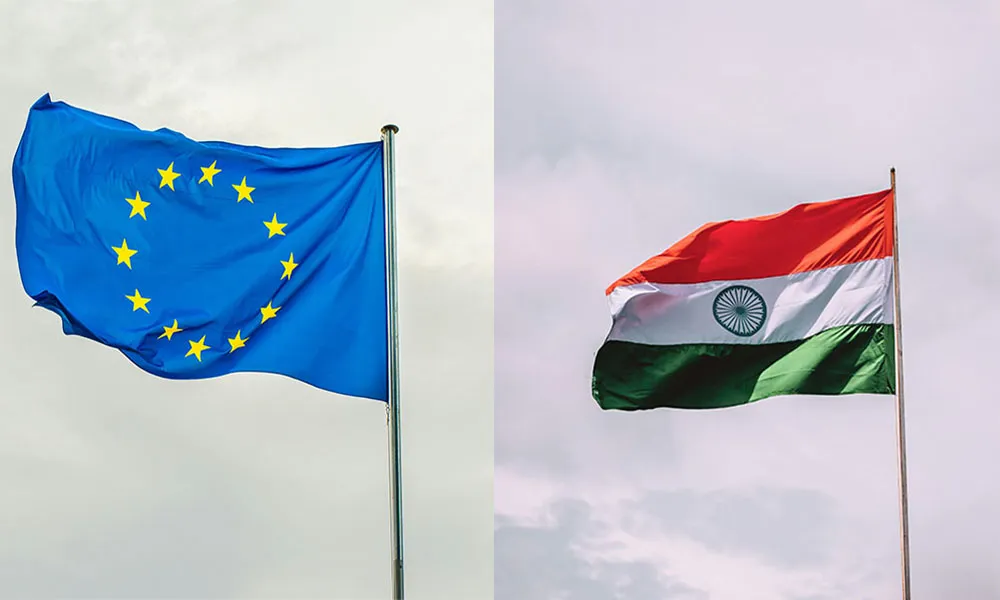
Just last week, the European Union concluded a new Trade Deal with India, titled the EU-India Free Trade Agreement (FTA). In marked contrast to the debacle surrounding negotiations for the trade deal with the Mercosur block of South American nations, the FTA has been hailed as a major strategic victory for Ireland’s agriculture sector.
India has the largest population of any country in the world and has a major – and still developing – economy. The deal, as agreed, opens this massive new market for premium Irish exports while protecting our most vulnerable domestic sectors. With so much despondency surrounding the Mercosur agreement, it is worth considering the major benefits likely to accrue to Irish farmers as a result of this deal.
Key domestic sectors protected
In a way, the most important part of this deal isn’t the question of who benefits, but rather of who is protected. Ireland’s beef and poultry sectors have absorbed significant blows in recent times, but the FTA completely excludes these products from tariff liberalisation. This means that there will be no cheap Indian beef or chicken flooding into the European market under its terms.
Existing EU tariffs will also remain in place for other key products, such as sugar, rice, milk powder, honey, soft wheat and garlic. This will protect EU producers in these sectors from price undercutting.
Benefits to dairy and grain producers?
The big winners in the Irish food and drinks market will be our alcohol producers. India is the world’s largest market for whiskey and, under the terms of the deal, tariffs on Irish whiskey in India will drop from 150% to 40% over a phased period. Meanwhile, duties on beer are set to drop from 110% to 50%. This increased access for Irish alcohol to the Indian market should be a welcome – if indirect – boost to Irish grain producers.
There is some good news for dairy farmers too. India will continue its protectionist stance on primary dairy products, but subsidiary sectors like lactose and whey powders are already operating under reduced tariffs and there is a reasonable expectation that engagement will grow in the long term.
Emerging export opportunities for Irish lamb?
Under the FTA, “prohibitive” Indian tariffs on sheep meat will be slashed from 33% to 0%. This represents a massive opportunity for Irish lamb producers, potentially creating a huge new market for this high-quality product.
Tariffs on processed foods – such as chocolate, pasta, pastries and biscuits – will also be eliminated completely. This should indirectly benefit several sectors within Irish agriculture.
Food Safety Standards
Finally, and very importantly, all agricultural products imported from India under the FTA must respect the EU's strict health and food safety rules. This will help to ensure that Irish farmers can’t be undercut by products with lower production standards (as many fear will be the case with the Mercosur deal).
In conclusion
The FTA between the EU and India will almost certainly be ratified within the year. Unlike the Mercosur deal, Ireland’s agriculture sector can expect to see some – albeit often modest – benefits as a result. The table below sets out the key development of note for Irish farmers:
|
Product Category |
Current Indian Tariff |
Future Indian Tariff |
|
Irish Whiskey & Spirits |
150% |
40% (phased) |
|
Beer |
110% |
50% |
|
Sheep meat |
33% |
0% |
|
Processed Foods (Chocolate, Biscuits) |
Up to 50% |
0% |
|
Beef & Poultry |
Protected |
No Change |