An unprecedented war
A month has now passed since Donald Trump and Benjamin Netanyahu launched an unprecedented war against the Islamic Republic of Iran.
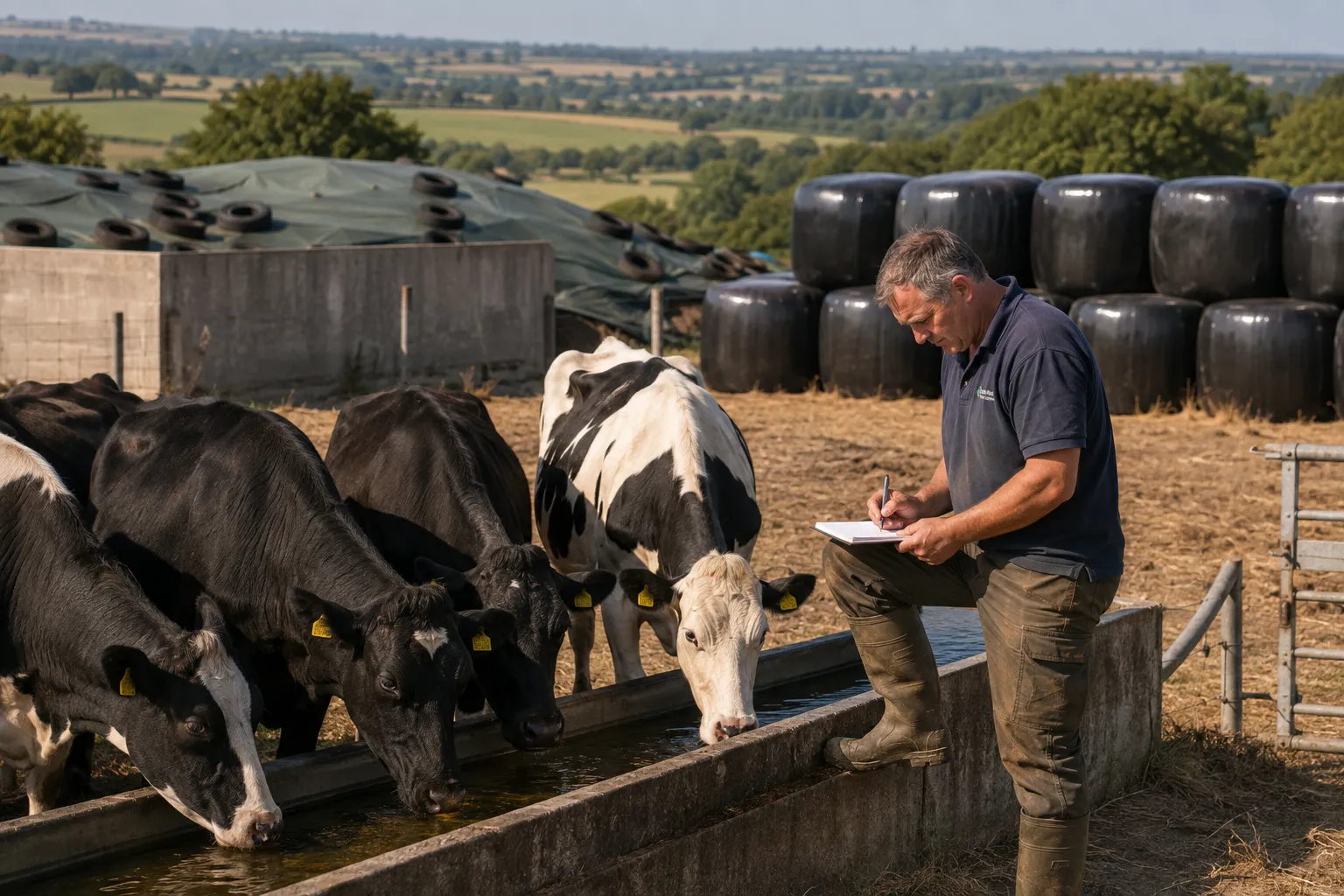
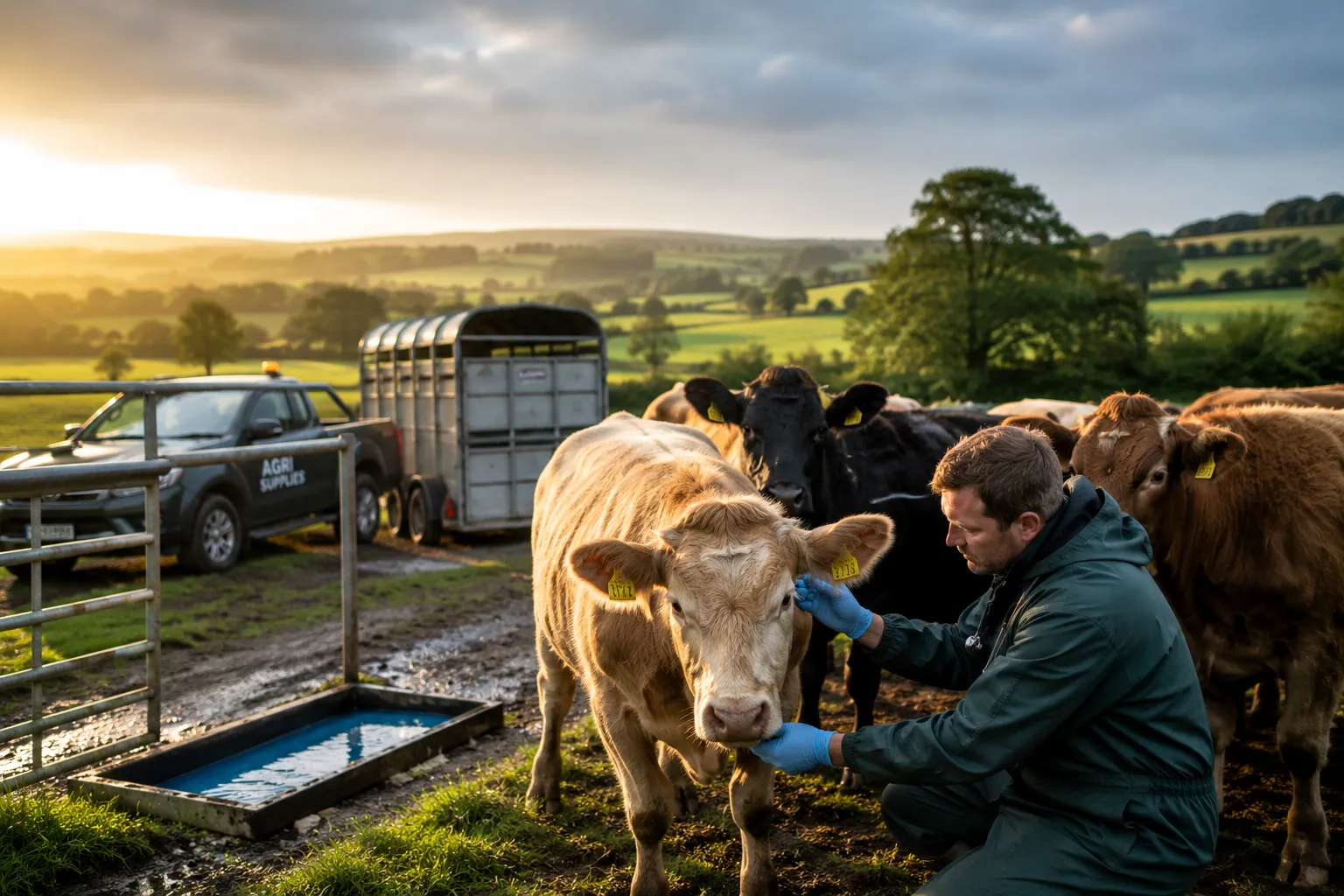
As forecast, the ongoing conflict is having a detrimental impact on the global economy, with no clear end in sight. Agricultural outputs are almost certain to suffer in both the near and long term as costs soar, and supply chains face increasing disruption. There is no point in sugarcoating it. The resultant impact of all this instability on Irish farming has been severe. The conflict has created a "supply-side risk" that is squeezing profit margins across the sector.
Fertiliser prices
Farmers are likely to feel the squeeze in several ways. The first, of course, is the skyrocketing cost of fertiliser. Iran has responded to the US-Israeli assault by closing the Strait of Hormuz, a key global mercantile shipping lane. As a result of the strait’s closure, shipments from major fertiliser producers such as Iran, Saudi Arabia and Qatar have cratered. Nitrogen produced in these countries accounts for about 20% of the overall global supply and its loss has resulted in a massive spike in nitrogen prices, as the remaining global stock is insufficient to meet demand.
This is having a major impact on conventional farming in Ireland. Irish farmers rely heavily on imports for spring grass growth and tillage crops, meaning that very few sectors of Irish agriculture will be unaffected.
Fuel prices
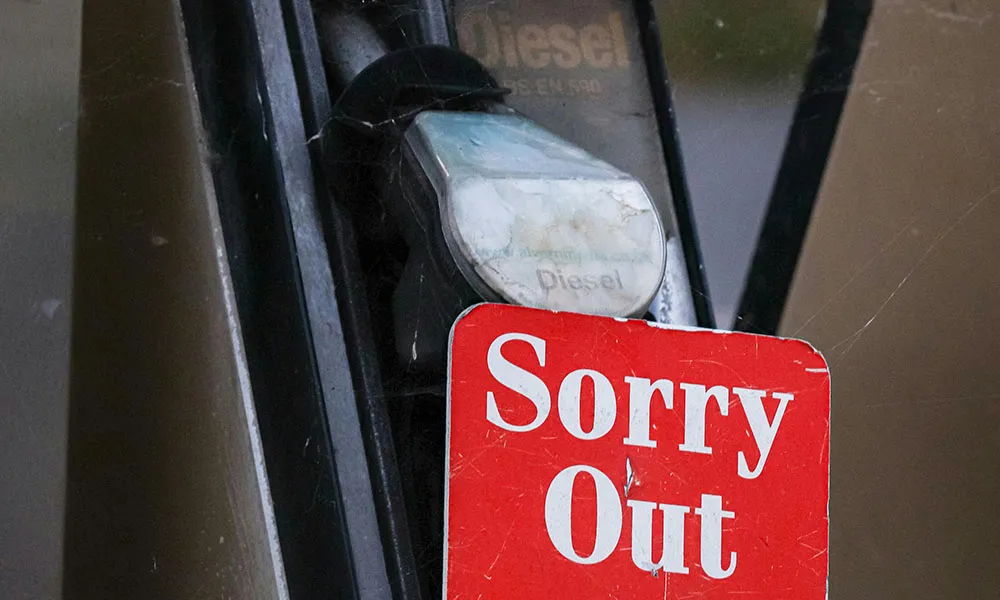
The Strait of Hormuz is also a critical route for the export of fossil fuels from the Middle East. The Iran war has, therefore, caused green diesel prices to rise by over 50% in the space of a month. This situation may worsen as Yemen’s Houthi rebels, an Iranian ally in the region, recently announced their entry into the conflict on the side of Iran. The Houthis have previously demonstrated their ability to shut down the Red Sea shipping lane. If they choose to do so again, fuel prices may double over time. Such prices will impact everything from direct farm operations to the cost of farm contractors.
Proposed Mitigation Measures
The Irish government and agricultural bodies are currently advocating for several relief measures to assist farmers at this time. These include:
- Carbon Tax Tweaks: Ireland is calling for an immediate suspension of the EU’s Carbon Border Adjustment Mechanism (CBAM) on fertilisers and ammonia to lower costs.
- Farm organizations like are pushing for government intervention on carbon taxes and VAT to mitigate fuel and fertiliser hikes.
- The Irish Creamery Milk Suppliers Association (ICMSA) has suggested a voluntary milk supply reduction scheme to help "put a floor under" declining milk prices.
All of these measures would be welcome, but they can only alleviate – rather than solve – an already dire situation.
What does this say about Irish agriculture?
Irish farmers have a well-deserved reputation for producing premium quality products that attract global demand. However, experts point out that the Iran war is exposing vulnerabilities in the Irish agricultural model – primarily with respect to our dependence on international markets for both energy and fertiliser. Ireland produces very little indigenous energy or chemical fertilisers. Some argue that, in an increasingly unstable world where global markets face persistent and severe disruption, a root-and-branch review of how we farm in this country may be required. That, however, is a conversation for another day. For now, the priority must be risk mitigation. Irish farmers, who are now suffering the effects of political decisions made on other continents, must be supported.