

Barber pole worm: Lakeside vet discusses a case that couldn't wait
Click Here to Watch a video with Cian
Barber pole worm is becoming an increasing concern for sheep farmers in Ireland. While many farmers are familiar with stomach worms and liver fluke, barber pole worm is one that can easily go unnoticed until sheep become seriously ill.
Also known as Haemonchus contortus, barber pole worm is a blood-sucking parasite that lives in the sheep's stomach. It can cause severe anaemia, weakness and, in serious cases, sudden death.
The worm can also produce thousands of eggs each day, meaning infection levels on pasture can build up quickly when conditions are suitable.
What Are the Signs of Barber Pole Worm in Sheep?
One of the main differences between barber pole worm and many other stomach worms is that barber pole worm doesn't usually cause scour.
This means affected sheep may not show the signs farmers would normally associate with a heavy worm burden.
Instead, watch out for:
-
Pale gums or pale colouring inside the lower eyelids
-
Sheep appearing weak, dull or unusually tired
-
Poor thrive or loss of condition
-
Swelling under the jaw, commonly known as bottle jaw
-
Sudden death in severe cases
Both ewes and lambs can be affected.
Because barber pole worm feeds on blood, sheep can deteriorate quickly, sometimes before obvious signs are noticed.
These symptoms can also be associated with other conditions, including liver fluke, so it's important to establish what's causing the problem.
A Recent Case of Barber Pole Worm in Galway
Chanelle Pharma recently spoke with Cian Ward from Lakeside Veterinary Hospital in Loughrea, Co. Galway, about a case of barber pole worm he encountered.
Cian was called to examine a ewe that had suddenly developed pale eyes and swelling under her jaw.
The symptoms immediately raised concerns about barber pole worm, although acute liver fluke was also a possibility given the time of year.
As the ewe was already showing serious signs of illness, Cian treated her promptly with a combination wormer and collected a dung sample to investigate the cause.
The test results confirmed barber pole worm, and Cian subsequently decided that the rest of the flock needed treatment.
The case highlights how quickly barber pole worm can affect sheep and why it's important to investigate unusual symptoms without delay.
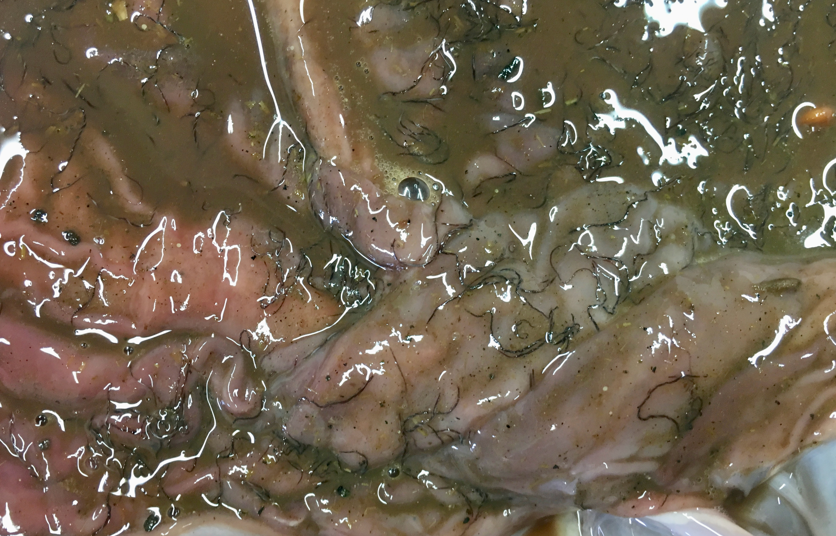
How Do You Test for Barber Pole Worm?
Dung sampling is one of the main ways to investigate worm burdens in sheep.
A faecal egg count (FEC) can show whether sheep are passing worm eggs and help determine whether treatment is needed.
However, a standard egg count doesn't always identify the exact species of worm present. Further laboratory testing may be needed to confirm barber pole worm.
It's also worth remembering that young worms may cause serious illness before they begin producing eggs. This means a negative or low egg count doesn't always rule out an infection.
Where sheep are showing severe symptoms or have died unexpectedly, a veterinary examination or post-mortem may be needed.
If sheep are weak, showing signs of anaemia or deteriorating quickly, contact your vet rather than waiting for routine test results.

What Treatments Work Against Barber Pole Worm?
Choosing the correct wormer is important when dealing with barber pole worm.
Different products contain different active ingredients, and resistance can affect how well a treatment works on individual farms.
One active ingredient used to treat barber pole worm is doramectin, which belongs to the Group 3 (clear) wormers.
Doramectin is used in certain veterinary products for the treatment and control of gastrointestinal roundworms in sheep, including barber pole worm.
However, not every wormer will be suitable for every situation.
Before treating, it's important to consider:
-
Which parasite is causing the problem
-
Previous worming treatments
-
Whether resistance has been identified on the farm
-
The age, weight and condition of the sheep
-
The product's approved uses and withdrawal periods
Your vet can advise on the most suitable treatment based on the situation in your flock.
Why You Shouldn't Automatically Dose the Whole Flock
Wormer resistance is becoming an increasing challenge for sheep farmers.
Repeatedly treating every sheep without considering whether treatment is needed can encourage resistance, making wormers less effective over time.
Where appropriate, targeted selective treatment can help reduce unnecessary dosing.
This involves identifying sheep that need treatment rather than automatically dosing the entire flock.
Factors such as body condition, signs of anaemia, performance and test results can help guide decisions.
However, where barber pole worm is causing serious illness or there is a significant flock outbreak, wider treatment may be necessary.
The decision should be based on veterinary advice and the level of risk.
It's also worth reviewing grazing management after treatment. Moving freshly dosed sheep straight onto clean pasture can increase resistance pressure, as any worms that survive treatment may become the main population contaminating that ground.
How Do You Know if a Wormer Has Worked?
Giving sheep a dose doesn't automatically mean the treatment has cleared the worms.
Follow-up dung sampling can help establish whether the product has worked effectively.
A faecal egg count reduction test involves collecting samples before treatment and again afterwards, at an interval appropriate to the wormer used.
The results are compared to assess how much the worm egg count has fallen.
If egg counts haven't reduced as expected, further investigation may be needed.
Possible reasons include wormer resistance, incorrect dosing, problems with administration or other treatment issues.
Your vet can advise on the correct testing procedure and help interpret the results.
Barber Pole Worm: What Should Farmers Be Checking?
With sheep continuing to graze through the autumn and winter, it's worth keeping an eye on flock health and reviewing your worm control programme.
A few things to consider:
-
Check sheep regularly for pale eyelids and gums
-
Watch for weakness, poor thrive or sudden loss of condition
-
Investigate cases of bottle jaw
-
Contact your vet promptly about sudden illness or unexplained deaths
-
Use dung sampling and other appropriate tests to investigate worm burdens
-
Review previous worming treatments
-
Check dosing equipment and weigh sheep accurately
-
Consider follow-up testing to check treatment effectiveness
Keep an Eye on Your Flock This Winter
Barber pole worm can cause serious problems in sheep, particularly because affected animals may not show the usual signs of a worm burden.
Knowing what to look for and acting quickly when sheep become unwell can make a real difference.
Regular flock checks, appropriate testing and using the right wormer when needed can help protect sheep health while reducing unnecessary treatments.
If you suspect barber pole worm in your flock, speak to your vet promptly.
Looking for sheep wormers and dosing products? Browse the sheep animal health range available at Agridirect.
Information adapted from Chanelle Pharma, including a case discussed by Cian Ward of Lakeside Veterinary Hospital. Always follow veterinary advice and the product label when treating livestock.