

Acute and subacute liver fluke in sheep: Protecting your flock’s health
With wet weather continuing and many sheep still out grazing, liver fluke is something farmers need to keep an eye on over the coming weeks.
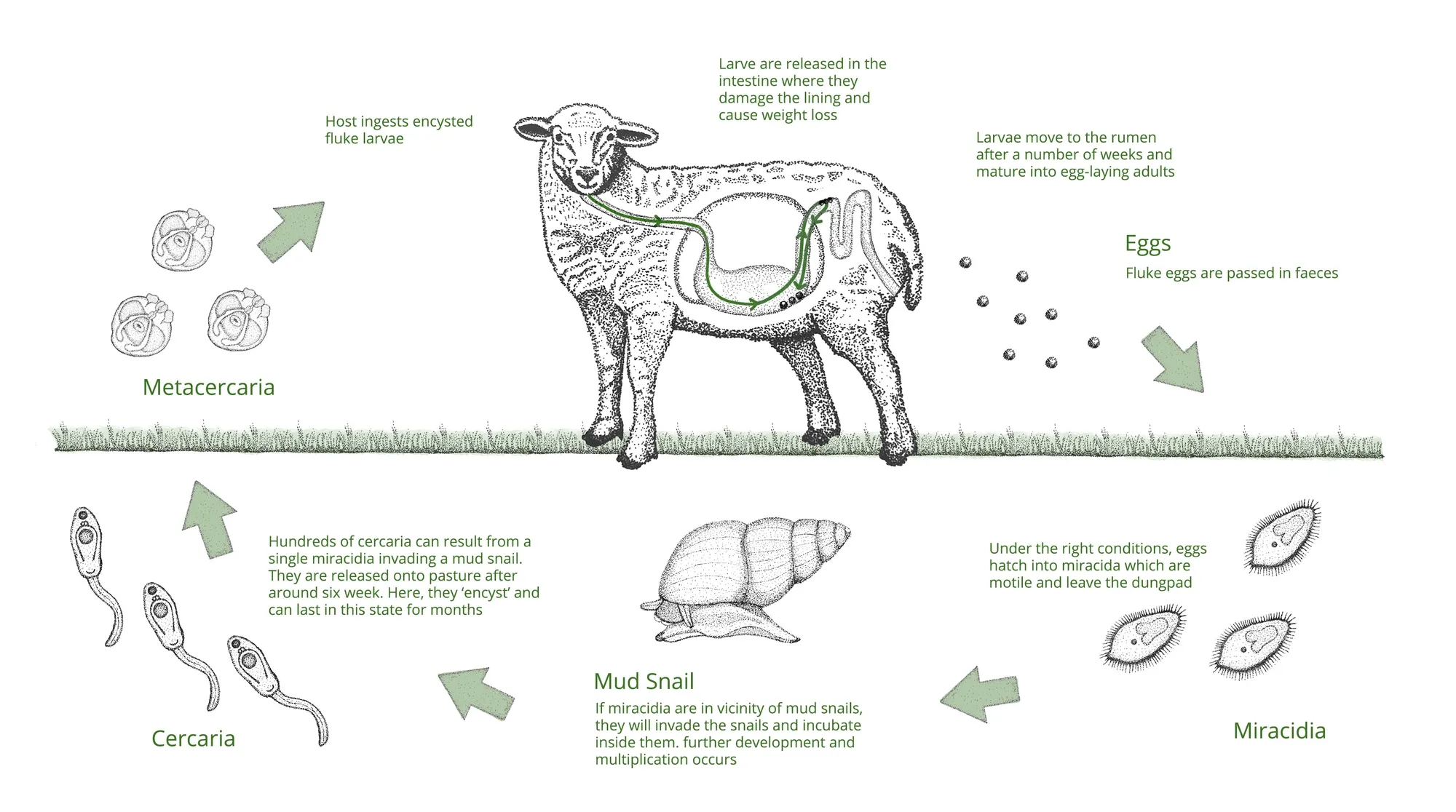
Wet ground provides ideal conditions for the mud snails that carry liver fluke, particularly on farms with poorly drained land or a history of fluke problems.
As we move further into November, it's important to know the signs of liver fluke, check previous treatments and consider whether further testing or dosing is needed.
Is Liver Fluke Still a Risk in November?
Yes. Although acute liver fluke is most commonly associated with late summer and early autumn, the risk can continue into November, particularly following prolonged wet weather.
Subacute liver fluke also becomes more common as autumn progresses into winter.
The level of risk will depend on weather conditions, grazing history and whether liver fluke has been a problem on your farm in previous years.
Sheep grazing wet or poorly drained fields are generally at greater risk, so it's worth paying particular attention to these groups.
What Are the Signs of Liver Fluke in Sheep?
Liver fluke can affect sheep in different ways depending on the number of parasites present and how long they've been infected.
Acute Liver Fluke
Acute liver fluke can develop quickly, sometimes with very few warning signs.
Symptoms may include:
-
Sudden death, sometimes without any obvious signs beforehand
-
Sheep appearing dull or weak
-
Reduced appetite or sheep going off their grazing
-
Pale gums
-
Signs of abdominal discomfort
Sudden, unexplained deaths should always be investigated by a vet, with a post-mortem carried out where appropriate.
Subacute Liver Fluke
Subacute liver fluke generally develops over a longer period, with affected sheep gradually showing signs of poor health.
Signs to watch for include:
-
Rapid loss of body condition
-
Poor thrive
-
Weakness or lack of energy
-
Pale gums
-
Poor fleece condition
-
Swelling under the jaw, commonly known as bottle jaw
If ewes or lambs are losing condition unexpectedly, it's important to investigate the cause rather than assuming they simply need more feeding.
How Can You Check for Liver Fluke in Sheep?
Testing can help establish whether liver fluke is present and whether treatment is needed.
However, not every test will detect every stage of infection.
Dung samples (fluke egg counts)
Standard fluke egg counts detect eggs produced by adult liver fluke. As fluke generally take around 10–12 weeks to mature, these tests may not detect early infections.
A negative dung sample doesn't necessarily mean sheep are free from liver fluke, particularly where acute infection is suspected.
Blood tests
Blood tests can indicate exposure to liver fluke from around two weeks after infection.
However, a positive result doesn't always mean an active infection is present, as antibodies can remain following previous exposure.
Coproantigen dung tests
These tests can detect liver fluke infection earlier than standard egg counts, generally by around two to three weeks.
Post-mortem examinations
Where sheep have died unexpectedly, a post-mortem can help identify liver damage and immature fluke that may not be detected through routine dung testing.
Your vet can advise on the most suitable testing method based on the signs in your flock and previous treatment history.
Is One Autumn Fluke Treatment Enough?
Not always.
Liver fluke treatments don't provide lasting protection against new infections. If sheep were treated earlier in the autumn but continued grazing wet ground, they may have picked up another infection since dosing.
Different fluke products also work against different stages of the parasite.
Some treatments are effective against adult fluke, while others can target younger, immature stages.
Triclabendazole is effective against very young liver fluke, from approximately two days old in sheep, where the parasites are susceptible. However, resistance to triclabendazole has been reported, making responsible use particularly important.
Before treating again, consider:
-
When the sheep were last dosed
-
Which product was used
-
What stages of liver fluke the product treats
-
Whether sheep have continued grazing high-risk ground
-
Whether testing or veterinary advice indicates another treatment is needed
Where possible, moving sheep onto drier, lower-risk grazing after treatment can help reduce the chance of reinfection.
Repeated dosing without considering the risk can increase the development of resistance.
Should You Use a Combination Wormer and Fluke Treatment?
Combination products treat both gastrointestinal worms and liver fluke, but they aren't always necessary.
They should generally only be used when both worms and fluke require treatment at the same time.
Dung samples can help establish whether sheep are carrying a significant gut worm burden, while fluke risk and appropriate testing can help determine whether fluke treatment is also needed.
If liver fluke is the only concern, a suitable fluke-only treatment may be a better option.
Using the right product for the parasites present helps avoid unnecessary treatments and reduces selection pressure for resistance.
Bought-In Sheep: Don't Forget About Quarantine
If you're buying in replacement ewes, store lambs or breeding rams, it's important to consider the risk of bringing resistant worms or liver fluke onto your farm.
Newly purchased sheep may carry parasites even when they appear healthy.
A quarantine plan should cover both worms and liver fluke, taking account of where the sheep have come from and their previous treatment history.
Some important points include:
-
Treat appropriately: Agree a quarantine treatment plan with your vet, including suitable products for worms and fluke.
-
Consider resistance: Bought-in sheep may carry parasites resistant to certain treatments, including triclabendazole.
-
Keep sheep away from high-risk grazing: Where possible, use dry ground without suitable liver fluke habitat during the quarantine period.
-
Allow time after treatment: Holding sheep off pasture for 24–48 hours after worm treatment may form part of a quarantine plan to reduce the spread of resistant worm eggs.
-
Plan turnout carefully: Your vet can advise on suitable turnout fields and whether further testing or treatment is needed.
Some fluke treatments don't kill the youngest stages, so follow-up testing or treatment may be required.
A proper quarantine plan can help prevent new parasite problems from being introduced to your flock.
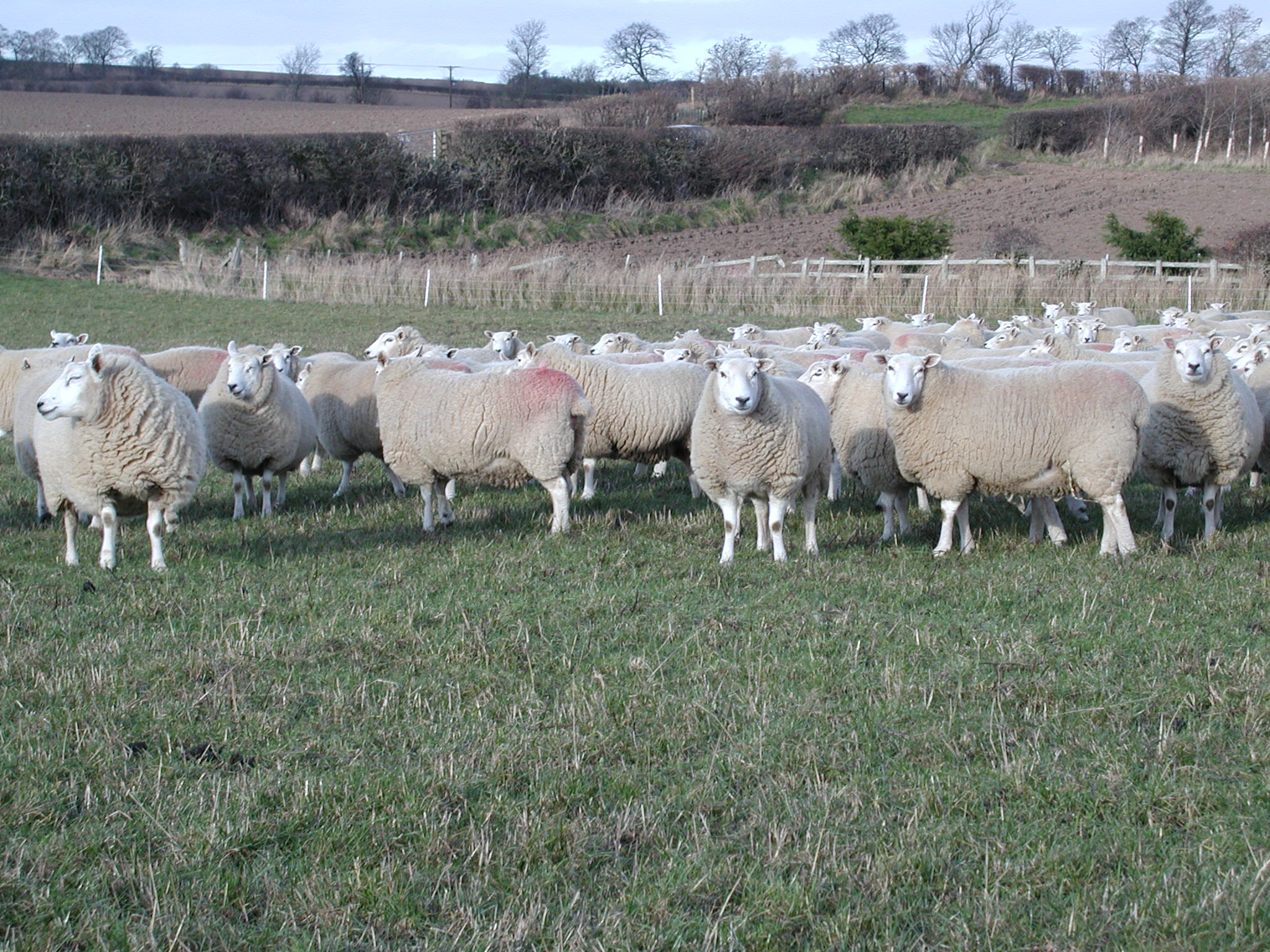 Winter Sheep Health Checklist
As the weather gets wetter and grazing conditions become more difficult, it's worth reviewing a few things across the flock:
-
Check which fields have the highest liver fluke risk
-
Review previous fluke treatments and dosing dates
-
Keep an eye on ewes and lambs losing condition
-
Investigate any sudden or unexplained deaths
-
Consider testing before further treatment
-
Check whether both worms and fluke need treating
-
Quarantine any newly purchased sheep
-
Weigh sheep and check dosing equipment before treatment
Managing Liver Fluke This Winter
Liver fluke can be a serious problem in sheep, particularly during a wet autumn and winter.
The important thing is to assess the risk on your own farm rather than automatically repeating treatments.
Keeping good dosing records, monitoring sheep for signs of infection and using appropriate testing can help you decide when treatment is needed.
If sheep are showing signs of acute liver fluke, seek veterinary advice promptly rather than waiting for routine test results.
Looking for sheep liver fluke treatments? Browse the range of sheep dosing and animal health products available at Agridirect.
Information adapted from Chanelle Pharma. Always follow product label instructions and veterinary advice when treating livestock.